
The Canadian Museum of History and the Canadian War Museum are set to reduce their permanent staff levels by 18% over the next three years following budget cuts announced by the federal government. Avra Gibbs-Lamey, a spokesperson for the history museum, indicated that the number of permanent staff will decrease from 371 to 304. A significant portion of the positions being eliminated are corporate roles that serve both institutions, with management positions facing a 24% reduction.
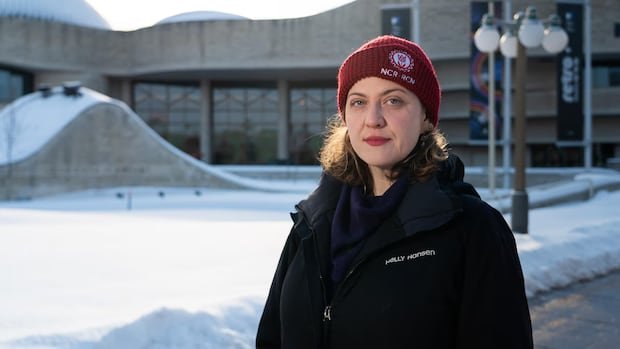
Ruth Lau MacDonald, the regional executive vice-president of the Public Service Alliance of Canada (PSAC) for the National Capital Region, mentioned that the job cuts will impact a wide range of staff, including executives, security personnel, and tour guides. This could potentially lead to a shift towards more self-directed tours and fewer interactions with subject experts, affecting the overall visitor experience.
Gibbs-Lamey clarified that despite the reductions, the Canadian Museum of History has not downsized its frontline staff. She emphasized that these cuts are aimed at enhancing the museum’s focus on its core mandate, ensuring continued research, top-notch exhibitions, and engaging experiences for the public.
Ines Akué, a spokesperson for Canadian Heritage, highlighted that the staff reductions align with the Canadian Museum of History’s strategic objectives to enhance efficiency and flexibility in fulfilling its mission. The museum is required to find annual savings ranging from $2.4 million to $5.9 million as part of the comprehensive spending review initiated by the federal government.
Yves Bergeron, a museum studies professor at the Université du Québec à Montréal (UQAM), noted that funding reductions affecting museums are a global trend, prompting institutions to seek alternative revenue sources. Shared resources and cost-saving measures, such as collaborative archiving services, could help museums navigate financial challenges while minimizing the impact on visitor experiences.
While concerns have been raised about the potential impact of the cuts on reconciliation efforts with Indigenous communities, Gibbs-Lamey assured that projects related to reconciliation remain a top priority for the museum. She emphasized the museum’s unwavering commitment to Indigenous partnerships and historical documentation, stating that the budget adjustments will not diminish the significance of this fundamental aspect of the museum’s mission.