
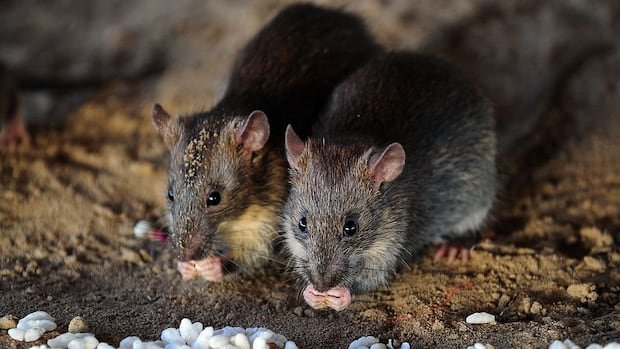
New research from the University of Calgary has uncovered the impact of cannabis on rats’ appetites. Dr. Matthew Hill, a neuroscientist at the university, observed that rats exhibited increased hunger, or “the munchies,” after being exposed to cannabis vapor. This phenomenon was particularly noticeable within the first hour of intoxication, during which the rats displayed a heightened appetite.
Contrary to the belief that the munchies are merely a placebo effect, Hill’s study using cannabis vapor delivery on rats demonstrated otherwise. The research revealed that stoned rats continued to eat even when they were full, showcasing a significant increase in their craving for food post-intoxication.
Interestingly, the study conducted in collaboration with Washington State University also examined the food preferences of high humans. It was noted that beef jerky was a popular choice among the subjects. These findings have implications for individuals undergoing chemotherapy-induced nausea, suggesting that cannabis may help alleviate symptoms and stimulate appetite post-treatment.
Dr. Keith Sharkey from the University of Calgary emphasized the importance of these results in understanding the cannabinoid system’s role in regulating food intake across various mammalian species. While the study sheds light on the physiological significance of the munchies, it does not necessarily advocate cannabis as the primary medical solution for appetite-related issues.
Registered dietician Grace Beda cautioned against viewing cannabis as a definitive remedy for appetite stimulation, particularly for cancer patients. While inhaled THC has shown some effectiveness in enhancing appetite, Beda highlighted the risks associated with smoking or vaping. She recommended exploring alternative forms of cannabis consumption to minimize health hazards.
Overall, the study underscores the complexity of the munchies phenomenon and its potential implications for medical applications, while also highlighting the need for further research to validate these findings across different species.