
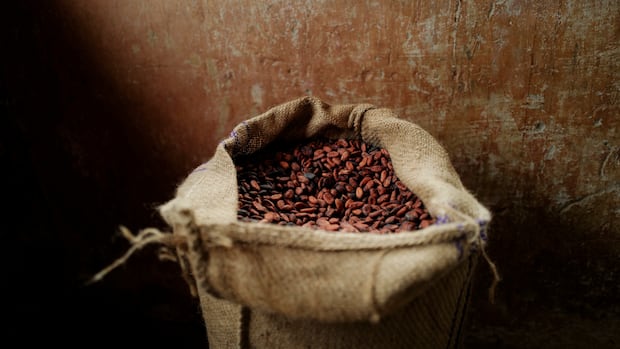
As retailers nationwide display vibrant packages of mini chocolate treats for Halloween, a recent peer-reviewed study highlights a lesser-known risk impacting cocoa production.
“People have largely concentrated on heat and drought as the primary climate threats, and those are significant,” stated Anna Lea Albright, who conducted this study as an environmental fellow at Harvard University.
“However, our findings indicate that the most substantial weather-related risk to cocoa is actually intense rainfall.”
Cocoa prices have escalated dramatically in recent years, impacting consumers. Currently, a tonne of cocoa is priced around $6,000 USD, up from a relatively stable range of $2,000 to $3,000 USD per tonne since 2014. In 2024, prices surged to over $12,000 USD, influenced by several factors, including severe flooding in West Africa, home to over two million farmers and the largest cocoa-producing area globally.
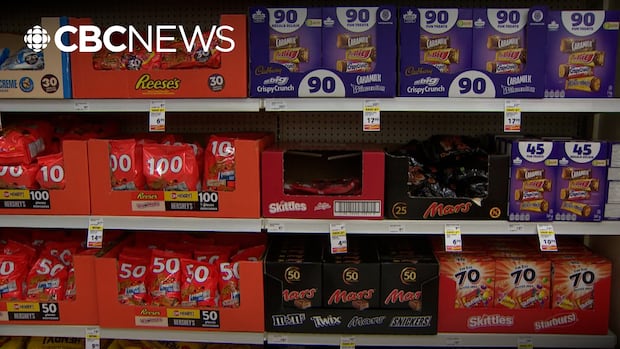
Soaring chocolate prices are becoming the real source of fear this Halloween season. An expert cites a shortage as the underlying reason, which shoppers find more daunting than traditional Halloween frights.
Leslie Agyare, the founder of Three Mountains Cocoa, which collaborates with numerous farmers in Ghana’s mountainous regions, reports that rainfall has posed significant challenges this year.
“Just imagine managing your entire crop, only to find that excessive rain prevents you from harvesting,” Agyare shared with CBC News from London, England.
Although climate change, exacerbated by the combustion of fossil fuels, is predicted to worsen extreme rainfall occurrences, the authors note that there are strategies to lessen the effects on this widely enjoyed crop.
The risks of rain
The study, published in the Proceedings of the National Academy of Sciences, concentrated on Ghana, the second-largest cocoa producer globally. By utilizing recently available district-level data on production, the researchers compared it with rainfall and temperature records.
“In our analysis, we found that extreme rainfall during the flowering stage significantly limited yields, much more so than temperature during those months,” Albright explained to CBC News from Paris. While cocoa trees require moisture during the rainy season, excessive water can harm the delicate flowers and young pods.
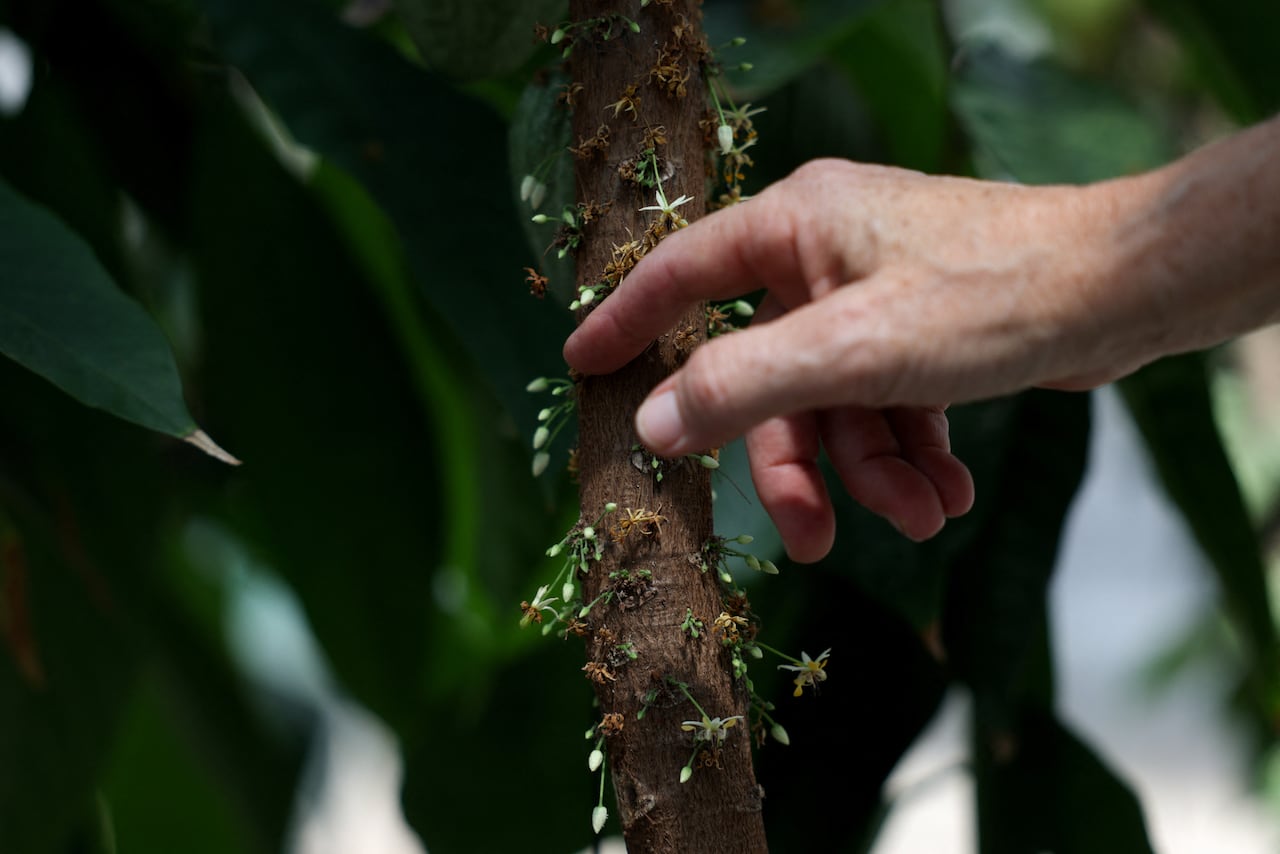
The delicate flowers on cocoa trees are highly sensitive, and heavy rainfall can cause damage. (Ricardo Moraes/Reuters)
Wet conditions, according to Albright, can also result in increased fungal infections, such as black pod disease, which spreads through splashing rain. The relationship between intense rainfall and reduced yields was also observed in other cocoa-producing nations, including Ecuador and Indonesia.
The study also identified a distinct climate signal, indicating that warmer air holds more moisture.
“Satellite records and rain gauge data over recent decades reveal that the most severe rainfall events during the wet season are indeed becoming more intense,” Albright noted.
It is important to mention that in West Africa, El Niño typically lowers the risk of extreme rainfall but increases the likelihood of drought, which the region is currently anticipating.
“Currently, there is a dry spell — when they require rainfall, it simply doesn’t come,” Agyare remarked.
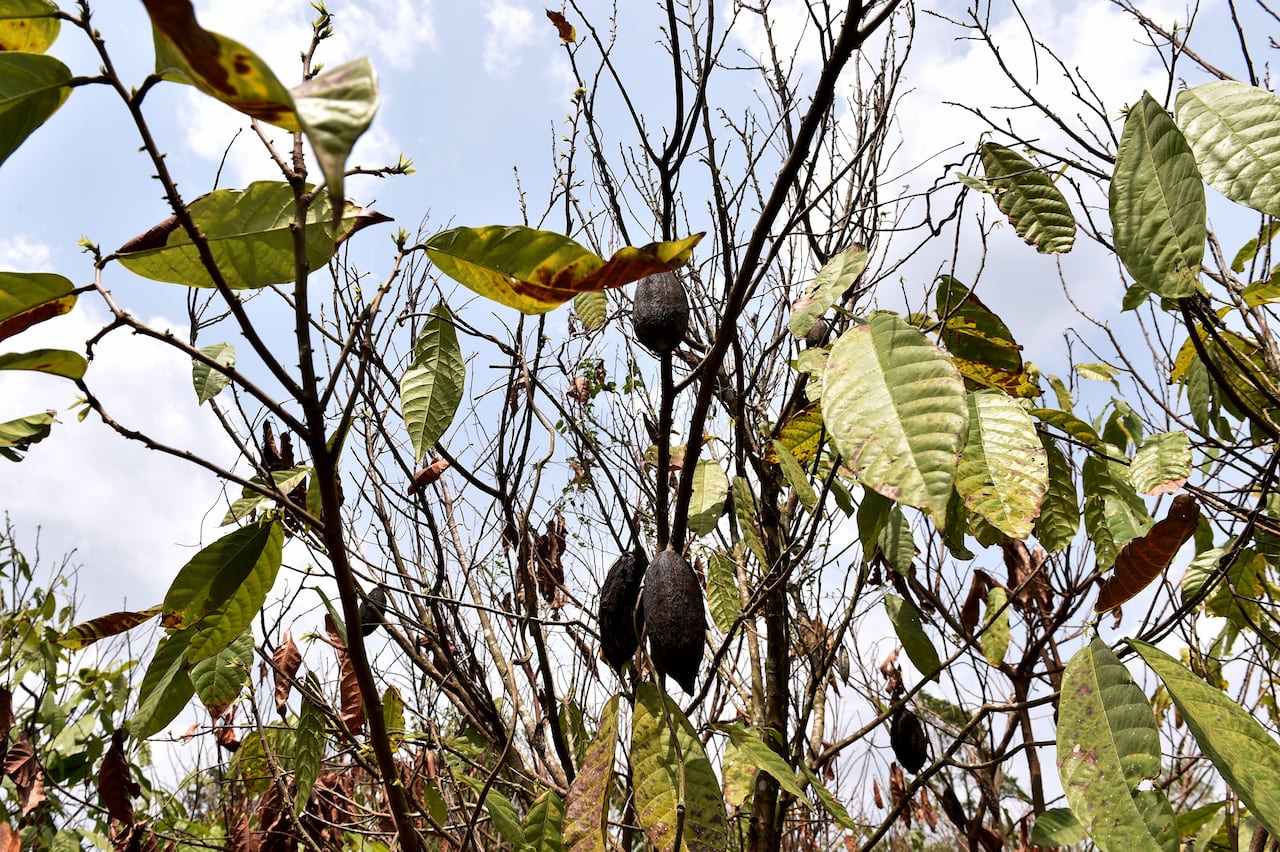
A common issue for cocoa farmers is insufficient rain, leading to dried-out pods like these. (Issouf Sonogo/AFP/Getty Images)
Losing ground
Although often overlooked, the effects of extreme rainfall on crops are not a new concern. The study also highlights non-climactic threats like aging cocoa trees and illegal gold mining, which the UN Food and Agriculture Organization indicates is part of the multitude of challenges facing cocoa production.
Nonetheless, Sophia Carodenuto, an expert in environmental governance and associate professor at the University of Victoria, values the study’s insights but emphasizes the crucial question of what actions farmers can take.
“You cannot prevent rain, particularly extreme rainfall,” Carodenuto said, acknowledging that the authors suggested possible interventions such as fungicides and improved drainage systems to reduce the spread of fungal diseases.
For Agyare, addressing this issue requires significant investment in infrastructure.
“In certain regions we work with, once it rains, the farmers are trapped,” he explained. “These are children unable to attend school. These are families that find themselves stuck.”
Many farmers lack reservoirs to store excess rainwater for future use. However, Agyare emphasizes that a major concern is a system that places excessive burdens on the farmers.
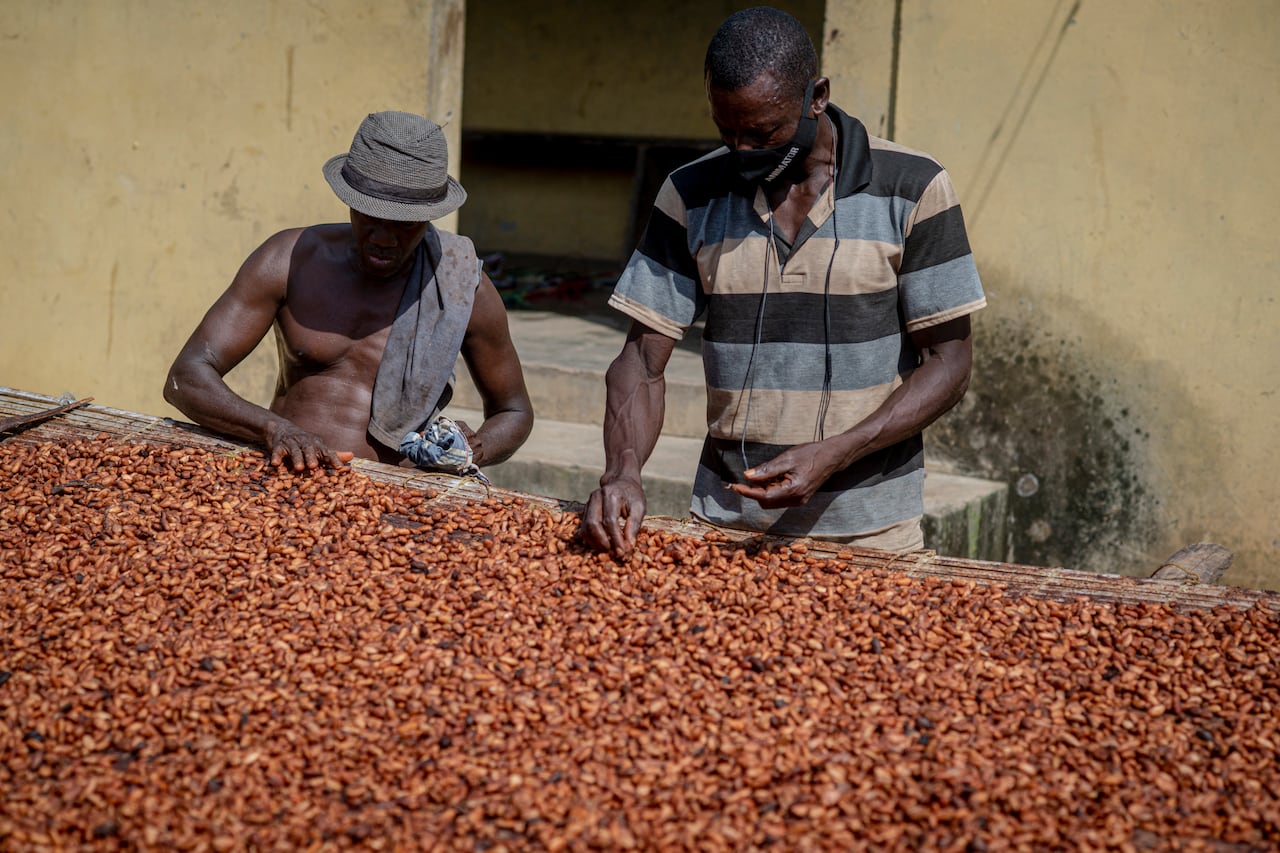
Two cocoa farmers spread cocoa beans during the sun-drying process in Asikasu, a village in Ghana, in December 2020. (Cristina Aldehuela/AFP/Getty Images)
“In Ghana, there are two main challenges. Farmers cultivate, and then they handle all post-harvest processes themselves,” he noted, suggesting that dividing post-harvest responsibilities with additional workers would enable farmers to concentrate solely on cultivation.
This arrangement would facilitate centralized collection and processing, minimizing losses resulting from farmers drying their beans outdoors and risking spoilage during heavy rains.
A cocoa-free future?
Experts argue that these climate-related shocks are rendering cocoa farming less appealing and increasingly challenging in West Africa.
“I believe smallholder farmers may soon become a thing of the past,” Agyare predicted, noting that children are less inclined to follow in their parents’ footsteps and are seeking opportunities in urban areas.
Carodenuto raises concerns that adapting to the evolving climate could become too burdensome, driving individuals away from cocoa farming. This shift may exacerbate price volatility, potentially leading chocolate manufacturers to eliminate cocoa from their products entirely.
“The price spike we’ve seen has been quite extraordinary and likely a major catalyst for numerous innovations around cocoa-free chocolate,” she remarked to CBC News from Graz, Austria, adding that alternative chocolates are being marketed as more resilient, with a more stable supply chain.
Earlier this year, Nestlé, the world’s largest food corporation, ventured into this area by partnering with a German startup specializing in cocoa-free chocolate. This company produces ChoViva, an alternative that utilizes sunflower seeds, which Carodenuto states is beneficial for supply chain management due to its cultivation in Europe.
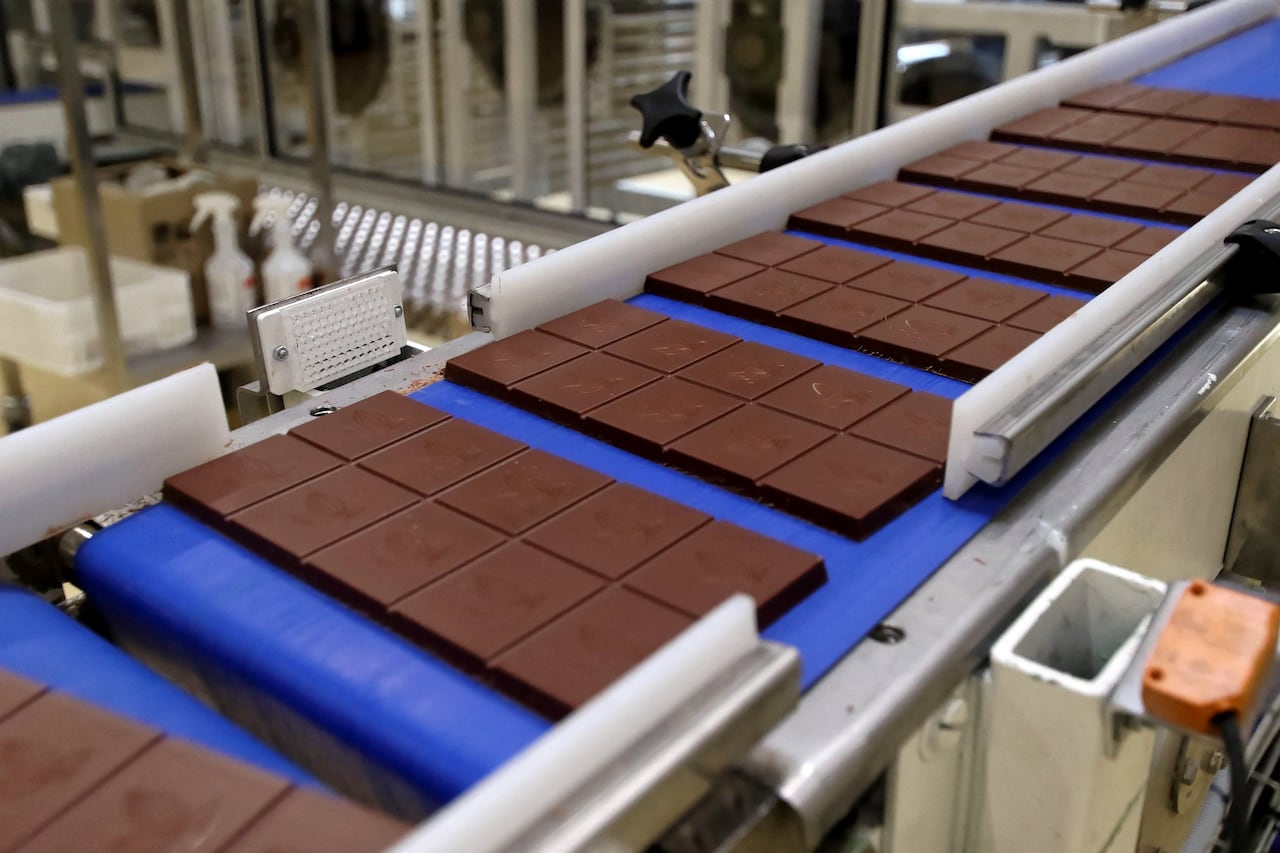
Hardened chocolate before reaching the packaging stage. (Valentine Chapuis/AFP/Getty Images)
Even with a substantial increase in prices, she argues, it won’t guarantee a better future for cocoa growers.
“Chocolate, particularly the type distributed during Halloween trick-or-treating, has historically been undervalued,” Carodenuto stated.
“And who has been bearing that cost? It has been the smallholder farmers in West Africa.”