
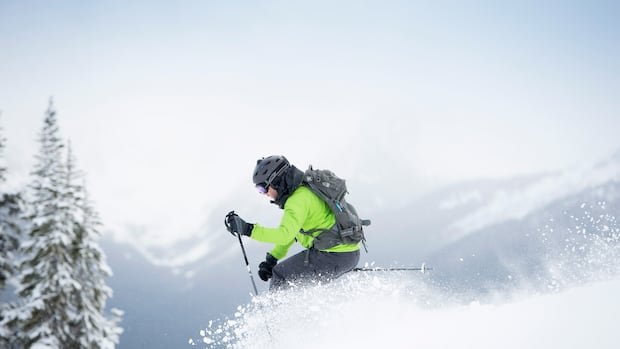
Alison Wines’s family journeyed from Toronto to Revelstoke, B.C., last year for the ski season, only to discover that the snow conditions were superior back home in Ontario. This disappointment highlights the growing uncertainty of winter seasons and ski conditions due to climate change.
As a passionate skier, Wines emphasized that skiing is a sport that can be enjoyed across generations within a family. However, she is witnessing mounting climate challenges affecting the sport. Having previously been involved with Protect Our Winters Canada, an organization advocating for climate policies for outdoor enthusiasts, Wines now operates her own consultancy focused on outdoor activities.
Wines expressed concerns about the potential loss of Canadian winter traditions and outdoor activities if action is not taken to address climate change. Maintaining a consistent ski season lasting around 100 days during winter is crucial for both resorts and skiers planning trips, accommodations, and ticket purchases, according to experts.
With climate change impacting sports across the board, including skiing, Madeleine Orr, a sport ecology professor at the University of Toronto, emphasized the financial viability of ski resorts requiring a certain number of open days. If ski conditions deteriorate, it can lead to reduced participation, affecting the industry’s future.
As 2025 was declared the third-warmest year on record, and with ongoing warming trends driven by greenhouse gas emissions, the challenges facing the ski industry are expected to escalate. While artificial snowmaking can offset natural snowfall shortages, cold winter weather remains essential for ski resorts.
Over the past few decades, over half of ski resorts in North America have disappeared, with climate change significantly contributing to this decline. To adapt to changing conditions, resorts are exploring strategies to diversify activities throughout the year, transitioning from snow sports to warm-weather pursuits like hiking and biking.
For families facing escalating costs in the ski industry, smaller local slopes provide a more affordable option. These slopes, such as Earl Bales Park in Toronto and Glen Eden in Milton, are utilizing snowmaking equipment to maintain operations amid challenges posed by lower snowfall.
Craig Machan, director of parks and operations at Conservation Halton, highlighted the importance of fostering a love for skiing at local slopes, potentially leading individuals to explore larger resorts. By investing in snowmaking equipment and offering affordable access, local ski facilities aim to sustain interest in the sport amidst changing climate conditions.