
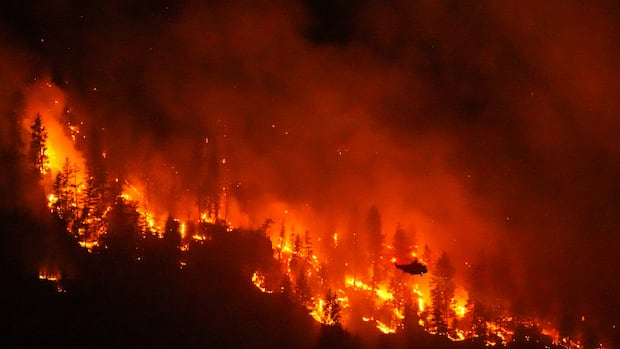
It is well established that climate change has exacerbated wildfires and led to the thawing of permafrost that has remained frozen for extended periods.
Recently, a study has revealed how these wildfires, along with permafrost thaw and other shifts, are contributing additional greenhouse gases to the atmosphere, accelerating climate change beyond what is currently accounted for in global assessments.
According to the research conducted by scientists from U.S. institutions, including Stanford University along with the non-profits Environmental Defense Fund and Spark Climate Solutions, these climate “feedback loops”—where climate change results in increased carbon emissions, which further exacerbate climate change—could potentially add an additional 20 to 30 percent of warming to the existing forecasts for this century.
Ben Poulter, program director at Spark Climate Solutions and a co-author of the study, stated, “The carbon budget we have left is likely much less than we currently believe.”
“Neglecting these extra feedbacks will create a gap between our policy goals and the Earth’s response to climate change,” he added.
Published on Thursday in the journal Environmental Research Letters, this paper represents one of the most thorough reviews to date concerning warming-induced emissions and their effects on the rise in global temperatures. Current climate models primarily focus on emissions from human-related activities such as burning fossil fuels for energy, food production, livestock farming, waste decomposition, and other actions leading to greenhouse gas release.
These findings are particularly relevant for Canada, which contributes significantly to these warming-induced emissions.
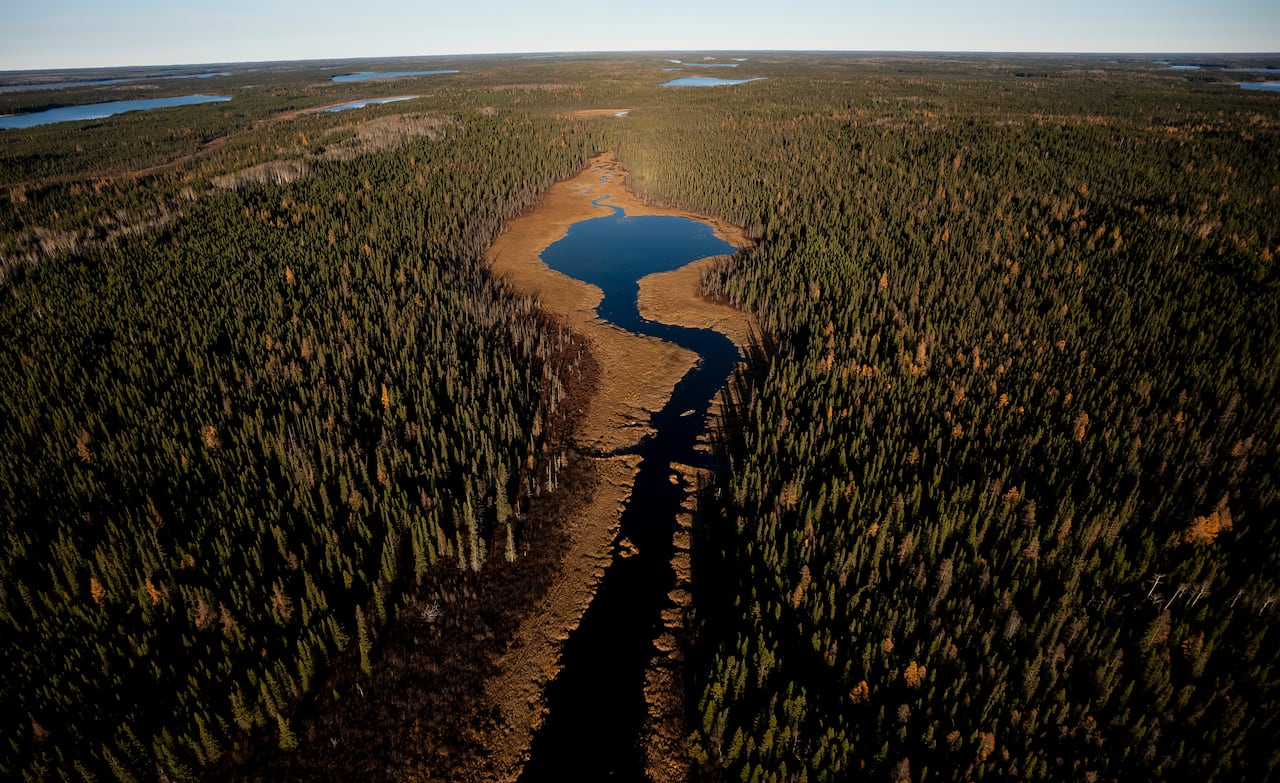
Wetlands in northern Ontario. Ecosystems like these are releasing more carbon due to climate change, which contributes to further global warming. (Christopher Katsarov/The Canadian Press)
Local Impacts
As a country situated in the northern part of the globe, Canada is experiencing warming at a rate that surpasses the global average.
In September, the federal government published its significant Canada’s Changing Climate report, indicating that the nation could face an increase of as much as five degrees Celsius this century, leading to drastic changes for its people, ecosystems, and landscapes.
-
Canadians should prepare for a 5 C hotter future, report warns
-
Wildfires send Canada’s carbon emissions soaring. And our peatlands emit even more
-
Video
University of Alberta researchers looking to quantify climate change impact of carbon released from permafrost
The new study highlights that the changes occurring in Canada will not only affect the local environment but will also contribute to global climate change. It builds on earlier research that has already emphasized the effects of specific extreme weather conditions.
For instance, during Canada’s record-setting wildfire season in 2023, the flames released one billion tonnes of carbon. If the wildfires were considered a country, they would rank as the eighth largest emitter worldwide.
“Being a large northern country, the feedbacks will predominantly occur within Canada,” noted David Olefeldt, professor at the University of Alberta and a prominent researcher in permafrost studies.
“Thus, we have an obligation to ensure that research is focused on this issue.”
Reasons Behind Permafrost Thawing
The rise in global temperatures is causing the Arctic to warm at a rate two to three times that of the global average, resulting in the thawing of permafrost. However, while permafrost thaw was once viewed as a slow process across the region, Poulter indicated that the new research also considered emissions resulting from “abrupt” thawing.
This abrupt thawing, driven by warming and extreme weather, such as wildfires and heavy rainfall, occurs in localized areas and may cause the ground to suddenly cave in or slump. Olefeldt explained that although these abrupt thaw events take place over smaller regions, typically near wetlands and lakes, they can release significantly larger amounts of carbon.
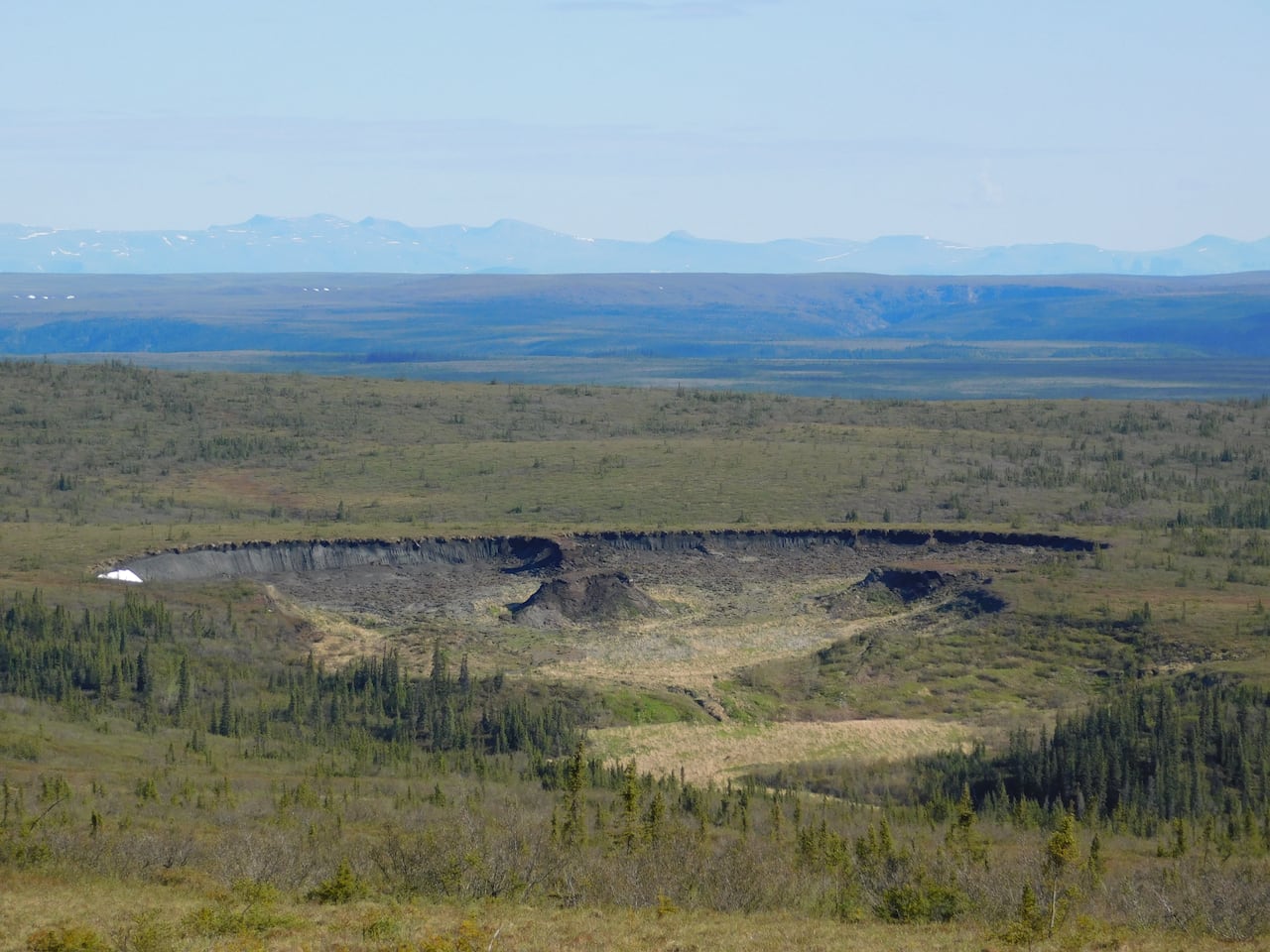
A slump resulting from abrupt permafrost thaw in the Northwest Territories. (David Olefeldt)
The sudden thaw uncovers the soil and the ancient organic matter previously trapped within it, exposing it to microbes that decompose the soil, generating methane and carbon dioxide.
“This process can lead to the formation of new lakes or wetlands, increasing soil temperatures significantly in those areas,” he noted.
However, accurately estimating the amount of carbon released remains challenging.
“We have very limited measurement networks in high-latitude regions due to the remoteness of the sites and the difficulties involved in conducting research there,” Poulter remarked, emphasizing the need for more field studies, particularly in Canada, to track this phenomenon.
The Methane Emission Enigma of Wetlands
Wetlands, which occupy substantial areas in Canada, are another significant source of emissions linked to warming.
Scientists have become increasingly concerned about methane emissions from wetlands due to a notable increase in atmospheric methane levels beginning around 2020, Poulter explained. This rise could not be entirely attributed to direct human activities, such as oil and gas extraction and agriculture, prompting a focus on wetlands.
Lisa Stein, a microbiologist and professor at the University of Alberta, expressed her hope that this new study would encourage institutions to incorporate freshwater wetlands into their climate models.
When microbes decompose organic matter in wetlands, they produce methane as a byproduct of this biological activity, which is then released into the atmosphere. Warmer temperatures enhance this microbial metabolism, thus increasing methane production, according to Stein.
Poulter also pointed out that milder winters, where lakes freeze for shorter periods, play a significant role.
“As the duration of the frozen season decreases, we are witnessing a growing trend of consistent methane emissions from Canada’s wetlands,” he stated.