
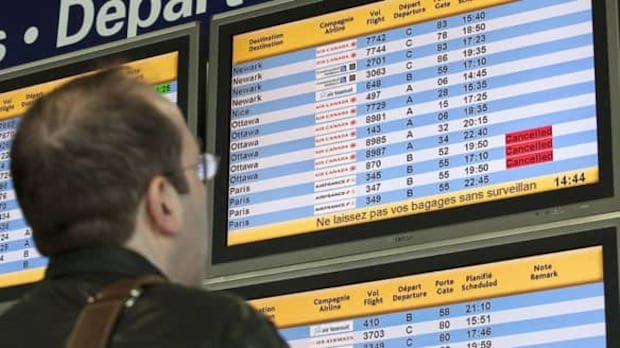
Alex Laferrière filed a complaint with Air Canada after experiencing delays last July, but was shocked to discover that the Canadian Transportation Agency (CTA) is overwhelmed with a backlog of over 87,000 complaints. This backlog could potentially increase by 45% by 2028, leaving passengers waiting for years for resolutions.
Air passenger advocate Gábor Lukács criticized the CTA’s complex complaint adjudication process, stating that it requires excessive resources and time. The CTA, an independent agency reporting to Minister of Transport Chrystia Freeland, acknowledged the need to address the backlog and improve passenger protections.
Public policy researcher Ken Rubin obtained data projecting a potential increase in complaints over the next few years. Despite best-case scenarios predicting a decrease in the backlog, actual complaint volumes have been rising, leading to concerns that the backlog could reach 126,000 by 2028, a 45% increase.
The current categorization of flight disruption complaints into three groups contributes to the backlog, as it requires detailed evidence and judicial review for compensation decisions. Lukács suggested adopting the EU’s system to simplify eligibility determinations and expedite resolutions.
Lukács also highlighted the issue of inadequate penalties for airlines failing to compensate passengers rightfully owed compensation, leading to prolonged resolution times. The implementation of a cost-recovery mechanism by the CTA, intended to charge airlines for complaint resolutions, has been delayed, drawing criticism from advocates.
Despite government funding and ongoing regulatory updates, the backlog persists, prompting Lukács to recommend frustrated passengers seek recourse in small claims court instead of the CTA. Laferrière, who remains hopeful for a resolution to his complaint, expressed frustration with the lack of accountability within the agency.