
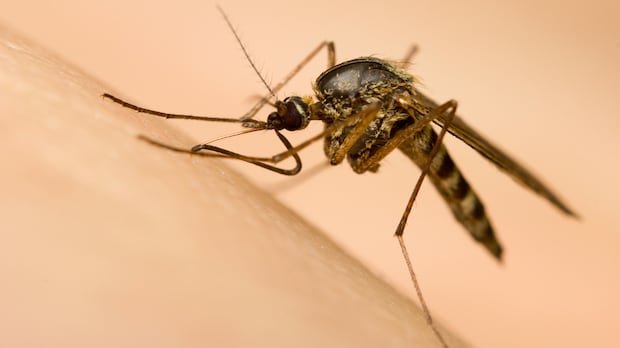
Recent heavy rainfall in Edmonton has led to a surge in mosquito activity, with a significant increase in mosquito populations expected in the coming days. Mike Jenkins, a senior scientist and pest management coordinator for the City of Edmonton, highlighted that the city has experienced exceptionally high mosquito numbers this spring, attributed to the prolonged rainy spell. The saturated ground from the recent heavy rains is creating ideal breeding conditions for mosquitoes, potentially resulting in multiple generations overlapping.
The prolonged drought in Edmonton in recent years kept mosquito populations relatively low due to dormant eggs waiting for the right conditions to hatch. However, the recent heavy rains have activated these dormant eggs, leading to a rapid increase in mosquito numbers. Jenkins warned that more rain could further exacerbate the mosquito population, setting the stage for a challenging summer with mosquitoes actively seeking blood meals.
City authorities are actively managing mosquito populations by targeting known breeding grounds with specific treatments. Jenkins emphasized the importance of removing standing water from properties to prevent mosquito breeding. Of particular concern is the presence of the Culex pipiens species, a carrier of the West Nile virus, which poses health risks to humans and animals. The city’s mosquito control program focuses on larval control to prevent disease transmission.
While the risk of disease transmission is a concern, research indicates that mosquitoes prefer biting birds over humans. The Aedes vexans species remains the most common mosquito pest in Edmonton, known for its biting activity during dawn and dusk. Jenkins advised residents to take precautions to avoid mosquito bites as the population continues to rise during the summer months.