
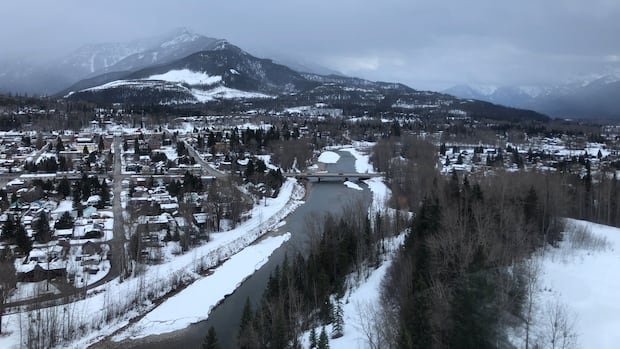
The Elk River, located in the southeastern part of British Columbia, has been designated as one of the most threatened rivers in the province due to concerns related to mining pollution. According to the 2026 Endangered Rivers List published by the Outdoor Recreation Council of B.C., which highlights broader issues impacting rivers throughout the region, the 220-kilometer-long watercourse in the Kootenay area is among seven waterways facing risks. The council attributes the endangerment of these rivers to various factors such as the combined impacts of development, resource extraction, and climate change.
This year’s list ranks the Cowichan River on Vancouver Island and a segment of the Fraser River between Mission, B.C., and Hope as the most imperiled rivers. Additionally, other rivers identified on the list include the Kettle, Stikine, Similkameen, and Thompson and Chilcotin river systems.
Ryan Stuart, the council’s community engagement lead, emphasized that the compilation aims to raise awareness about the importance of clean water and well-managed river systems. Stuart urged early action to prevent worsening conditions, particularly in the case of the Elk River, where the community’s concerns regarding mine expansion plans need to be taken into account by the government.
Local residents and workers along the Elk River expressed distress upon hearing the news. Caitlin Henneker from the Elk River Alliance described the situation as disheartening, highlighting their ongoing efforts to preserve the riverside environment. The group focuses on monitoring changes, especially in smaller tributaries that flow into the main river, where they have observed a negative trend in environmental conditions.
While the B.C. Ministry of Environment and Parks stated improvements in parts of the Elk River watershed, it acknowledged the need for collaborative efforts with local authorities and First Nations to address contamination issues. Henneker stressed the significance of community-based monitoring in complementing provincial data, emphasizing the importance of understanding cumulative impacts on river health over time.
Henneker stated that providing such information enables people to comprehend the watershed dynamics and the interactions of various river system uses. She encouraged community involvement in activities like water monitoring, restoration initiatives, and tree planting to support the health of the watershed. Stuart emphasized the critical role of advocating for freshwater systems, underscoring their importance in sustaining communities, economies, and recreational activities across the province. The Outdoor Recreation Council of B.C. noted that it has been releasing the endangered rivers list for over three decades.