
In the recent past, the U.S. President Donald Trump’s administration praised the increasing influence of patriotic European parties. However, many of these party leaders have expressed discontent with Trump’s aggressive attempt to acquire Greenland for the United States, challenging Denmark’s historic claim over the territory. This move by Trump has triggered strong reactions and diplomatic engagements among European leaders, including both liberal and traditional conservative figures.
The U.S. administration’s stance on Greenland has not been well-received by far-right parties, despite the previous favorable views on other issues. The new approach towards Europe under the second Trump presidency was evident in the initial weeks, with Defense Secretary Pete Hegseth criticizing security in Europe and Vice-President JD Vance involving himself in the domestic politics of key European allies to a greater extent than previous U.S. administrations.
Before a German federal election last February, Vance held discussions with Alice Weidel, the leader of the far-right Alternative for Germany (AfD) party, and opposed a report classifying the AfD as an extremist group by Germany’s intelligence services. Weidel criticized Trump for breaking a campaign promise not to meddle in other countries’ affairs, while AfD co-chair Tino Chrupalla denounced Trump’s tactics as reminiscent of the “Wild West.”
The escalating rhetoric from the U.S., including not ruling out military options, regarding Greenland has caused confusion and concern in Europe. A 1951 agreement between the U.S. and Denmark allows the U.S. to establish military bases in Greenland with Danish consent. Trump’s talk of imposing tariffs on countries involved in the Greenland dispute has led EU officials to consider retaliatory measures, such as counter-tariffs and an anti-coercion instrument.
Nigel Farage, a key figure in the UK’s Brexit campaign, criticized the U.S. administration’s actions on Greenland, calling it a “hostile act.” Despite being a long-time ally of Trump, Farage expressed concerns about the President’s approach to Greenland and emphasized the need for respectful dialogue among friends.
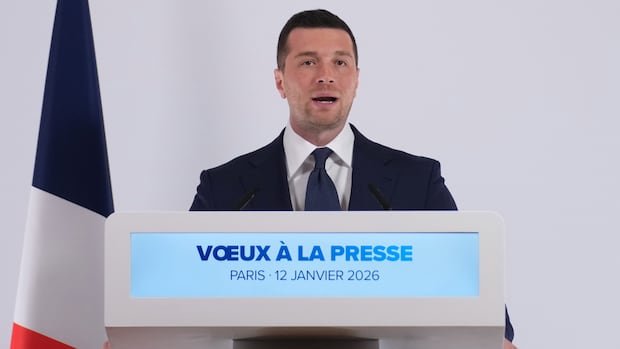
France, one of the countries facing potential tariffs from the U.S., has witnessed strained relations with Trump despite previous engagements with French President Emmanuel Macron. The National Rally party’s Jordan Bardella, a potential successor to Marine Le Pen, supported aspects of a U.S. national security strategy document that raised concerns among some European allies.
Giorgia Meloni of Italy cautioned against new tariffs on Greenland, while Hungary’s Fidesz party, a source of inspiration for many Republicans in the U.S., refrained from involvement in the Greenland issue, viewing it as a bilateral matter between the U.S. and Denmark that should be resolved through dialogue.