
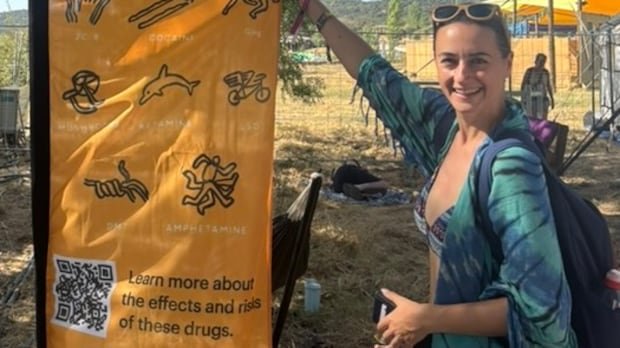
A team of researchers is delving into the realm of summer music festivals to examine how harm reduction practices are implemented and what insights can be gleaned from these events. Erika Dyck, a history professor at the University of Saskatchewan and a Canada Research Chair in the history of health and social justice, has dedicated the past two decades to studying psychedelics. She highlighted that music festivals, being hotspots for substance use, often serve as grounds for the application of harm reduction strategies, emphasizing the importance of caring for attendees and minimizing risks.
Kenneth Tupper, an adjunct professor at the University of British Columbia, is collaborating with the research team on this endeavor. He noted that drug checking initiatives initially took root in Canada through music festivals, particularly in response to the toxic drug crisis that emerged around 2016. The British Columbia Centre on Substance Use introduced a portable drug testing instrument, the FTIR spectrometer, around 2017, which proved instrumental in testing substances at festivals like Shambhala and Bass Coast.
The inaugural edition of the Regina Exchange Folk Festival prioritized harm reduction and safety measures. Zandra Kaszas, the artistic director, emphasized the festival’s proactive approach in ensuring safety by implementing security protocols, hydration stations, and having an ambulance on standby. Additionally, the Nēwo Yōtina Friendship Centre (NYFC) was present at the event with a naloxone station to address potential overdoses.
Tupper underscored the significance of drug testing services in providing individuals with certainty before making decisions regarding drug consumption. He also highlighted the importance of counseling services in guiding individuals through their experiences, potentially saving lives in the process. Dyck emphasized that the research project aims to document the various harm reduction strategies employed at festivals to create a valuable repository of information for future reference and discussion.