
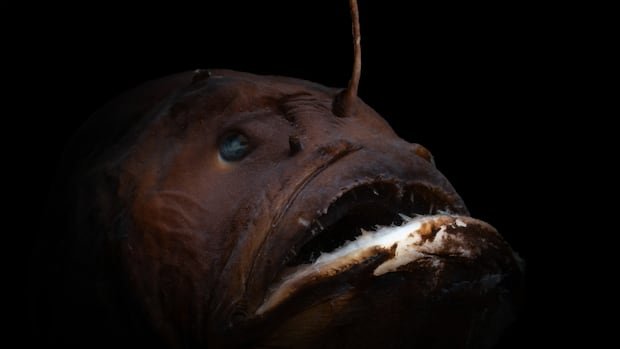
Biologist Alex Maile recently discussed the fascinating nature of female anglerfish in a comprehensive interview. These deep-sea creatures are known for using their prominent forehead lures to attract prey. However, a groundbreaking study suggests that these lures also serve as beacons for male anglerfish seeking companionship in the depths of the ocean.
The research, published in the journal Ichthyology and Herpetology, involved a DNA analysis of over 100 preserved anglerfish species to explore the evolution of their unique lures. Marine biologist Milton Love, not part of the study, commended the innovative approach that challenges existing ideas in the field.
Anglerfish, despite the popular depiction in movies like “Finding Nemo,” are a diverse group with numerous species inhabiting various oceanic regions. The evolution of their lures, which are modified dorsal fin spines acting as bait, showcases a wide range of shapes, sizes, and functionalities.
Maile’s research, conducted in collaboration with Matthew Davis, delved into the diversification of anglerfish lures over time. By analyzing fossil evidence and using computer modeling, they traced the development of bioluminescent lures in deep-sea anglerfish, indicating a crucial role in reproductive success.
Among anglerfish, males rely on these lures to locate females in the dark waters due to their relatively smaller size and lack of lures. Bioluminescence serves as a key factor in mating strategies for various deep-sea fish, enhancing their chances of successful reproduction.
While the mating ritual of anglerfish may seem unconventional, with males permanently attaching to females, it is a vital aspect of their reproductive cycle. Love emphasizes that this unique behavior aligns with the species’ evolutionary goals, highlighting the complexity of nature’s strategies for survival.