
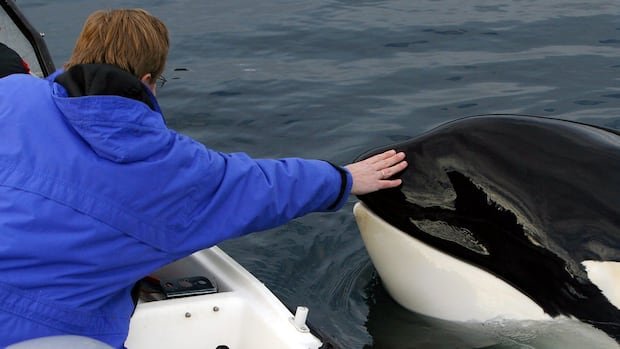
A new opportunity is on the horizon for Willy as Hollywood gears up for a revival. The iconic movie, “Free Willy,” is set to receive a reboot, with Warner Bros. and the Russo brothers’ AGBO teaming up for the project. Details on casting the lead whale character are still in the works.
Originally released in 1993, “Free Willy” tells the story of an orphaned boy who forms a bond with a captive orca at a marine park and aids in its escape. The film, starring the real orca Keiko, shed light on the captivity industry, according to Camille Labchuk, executive director of Animal Justice in Canada.
Labchuk highlights how the film inspired ’90s kids to advocate for animal welfare, shedding light on the harsh realities of keeping aquatic creatures like orcas in captivity. The legacy of the original film is closely tied to the real-life drama surrounding Keiko, the star orca.
Keiko became the first captive whale to undergo a sanctuary program, eventually being reintroduced into the wild before his passing in 2003. Despite efforts to return him to his natural habitat, Keiko struggled to fully integrate into a wild pod due to being captured at a young age.
The possibility of using a real whale in the reboot seems slim, given advancements in technology and changing laws. Legislation in Canada, such as Ontario’s ban on orca captivity, reflects a shift towards greater animal welfare standards. California also enacted laws like the Orca Protection Act in response to public concerns raised by documentaries like “Blackfish.”
VFX supervisor Mark Hammond believes digital effects could enhance storytelling in the new film. Technology allows for more creative control over the whale character, unlike the limitations posed by working with a live animal like Keiko in the original production.
While some fans express skepticism about the reboot, Labchuk sees it as an opportunity to spark conversations on marine animal ethics. She believes that films like “Free Willy” and “Blackfish” play a crucial role in shaping public opinion and influencing legislation.