
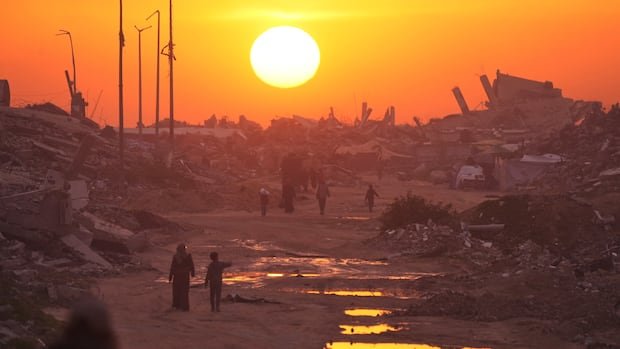
Winter has brought harsh conditions to Gaza, with freezing rain and strong winds causing damage to tents that shelter many of the nearly two million homeless Palestinians in the region. Despite a ceasefire in place for the past three months following a two-year conflict, sporadic violence continues, resulting in over 450 casualties from Israeli airstrikes and clashes with Hamas militants. Mustafa Abu Jabeh, a civilian caught in the crossfire, described the situation as chaotic and disruptive.
The prospect of a new government cooperating with Israel offers hope for a better future in Gaza, as part of the second phase of U.S. President Donald Trump’s peace plan. However, challenges persist, including ongoing Israeli restrictions on aid imports and the operations of NGOs and UN agencies. The implementation of the peace plan has raised concerns and skepticism among various world leaders, including Canadian Prime Minister Mark Carney, who has expressed caution about the plan’s details and financial implications.
The transition from conflict to peace and development in Gaza involves complex negotiations and uncertain outcomes. A critical element of the plan is the establishment of a technocratic committee to govern Gaza, separate from Hamas, and oversee the reconstruction efforts. However, issues such as disarmament, governance structure, and funding for reconstruction remain contentious and unresolved.
Efforts to rebuild Gaza face significant hurdles, with reconstruction funds on hold pending political clarity and assurance of a lasting peace agreement. The role of international peacekeeping forces, including concerns over their control and effectiveness, adds to the complexity of the situation. Despite the challenges, there is a collective hope for progress and stability in Gaza, contingent on successful diplomatic efforts and cooperation among all parties involved.