
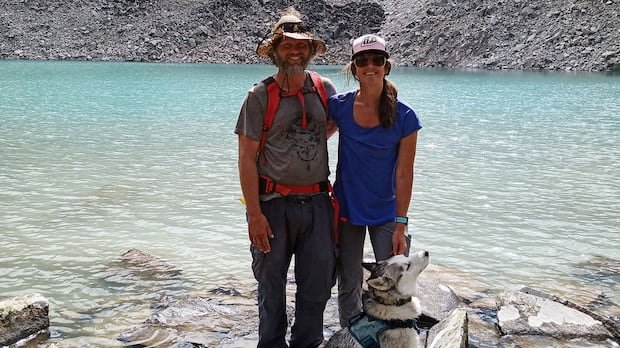
A couple residing in Radium Hot Springs, British Columbia, were taken by surprise when their husky, Moon, perished in a baited trap near their residence earlier this month. Sean Boxall expressed the traumatic nature of the incident and emphasized the need to raise awareness about traplines in the backcountry of British Columbia. Boxall and Nicole Trigg are advocating for a halt to commercial traplines on public land, excluding Indigenous trapping rights.
Commercial trapping, governed by the Wildlife Act, targets fur-bearing animals such as lynx, fox, bobcats, wolves, and mink for their pelts rather than meat. The B.C. Conservation Officer Service confirmed that Moon’s death was caused by a legally set trap, and no enforcement action was warranted as the trapper was licensed and had placed an optional sign.
Boxall recounted the distressing experience of trying to rescue Moon from the Conibear trap, which ultimately led to Moon losing consciousness. The incident highlighted the indiscriminate nature of traps, posing risks to various animals. The B.C. Trappers Association stressed the importance of public education on trapping practices to prevent similar tragedies.
The association differentiated between commercial trapping and traditional Indigenous trapping, emphasizing the cultural significance and sustainable practices of the latter. Commercial trapping serves the fashion industry by selling pelts and aids in wildlife population management and disease control. It operates under provincial regulations guided by ecological data to prevent over-harvesting and unintended trapping of non-target species.
Advocates like Lesley Fox from the Fur-Bearers argue against the humane aspects of trapping, advocating for a ban on commercial trapping in public areas. They call for mandatory warning signs on active traplines and increased setbacks from residential areas, trails, and roads. The provincial government is seeking public feedback on proposed regulation changes aligned with International Humane Trapping Standards until February 13.