
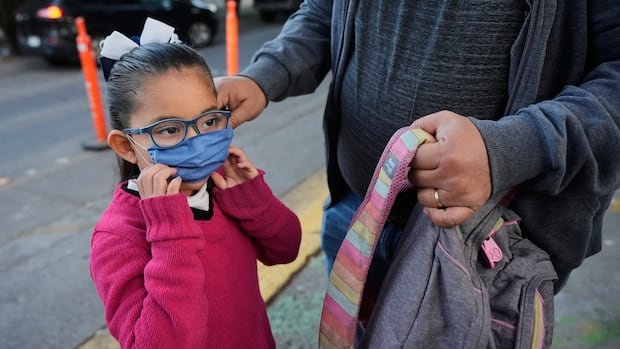
The state of Jalisco in Mexico has implemented a health alert mandating the use of face masks in schools due to a measles outbreak in the state capital, which is a key host city for the upcoming 2026 FIFA World Cup. This action follows an epidemiological alert issued by the Pan American Health Organization (PAHO) earlier in the week regarding the spread of measles in the Americas, especially in Mexico. Mexico has reported 1,981 confirmed cases and over 5,200 suspected cases this year, with Jalisco being the epicenter of the outbreak, recording 1,163 confirmed cases and 2,092 suspected cases.
The measles outbreak in Mexico originated last year in the northern state of Chihuahua when a Mennonite child fell ill during a visit to a region in Texas grappling with an outbreak. The cases escalated within Mennonite communities, known for high vaccine hesitancy rates, spreading across Mexico and causing the country’s most significant outbreak in decades.
Experts warn that the surge in outbreaks in the hemisphere is correlated with decreasing vaccination rates. Mauricio Rodriguez, a microbiology professor at the National Autonomous University of Mexico specializing in epidemics, highlighted that Mexico is experiencing a rise in cases due to incomplete immunization schedules against measles in various communities. This situation poses a heightened risk during the summer as the United States, Mexico, and Canada, all witnessing a rise in measles cases, welcome visitors from around the globe.
Guadalajara, a primary venue for the soccer tournament, faces the risk of outbreaks during the World Cup. To combat the spread, health authorities in Jalisco have mandated the use of masks in schools in specific neighborhoods in Guadalajara for the next 30 days. This proactive measure comes as medical groups urged immediate action, marking Mexico’s first public health mandate post the COVID-19 pandemic.
Efforts to control the infection include the suspension of classes in 15 schools in Jalisco and Aguascalientes and the establishment of vaccination centers. Families are queuing at these centers, ensuring their children attend school with masks and practicing disinfection protocols. The Mexican government has been promoting measles vaccination, emphasizing the need for two doses of the vaccine to prevent the disease, and has set up vaccination sites in locations like airports and bus stations.
Despite these efforts, the Americas have reported a significant increase in measles cases this year, with no fatalities but a notable rise compared to the same period last year. Canada lost its measles-free status in November, and the U.S. and Mexico are at risk of facing a similar situation. Both governments have asked for an extension to control the outbreak. However, the Trump administration’s withdrawal from the World Health Organization, under which PAHO operates, poses challenges in managing the situation effectively.