
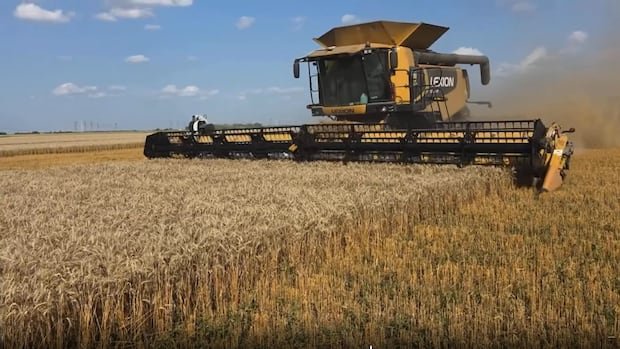
Fields of wheat are traditionally seen across the prairies of Manitoba, but this year, many farmers are opting for different crops. Andrew James, a farmer, mentioned that he is increasing the portion of corn in his crop rotation to 25% while completely eliminating wheat this year. This decision marks the first time in their six-year farming history that James and his brother Matt will not be planting wheat. The shift away from wheat is primarily due to the dwindling profit margins associated with the crop.
In 2021, wheat was priced around $7 per bushel, a figure that has remained relatively stable in 2025. However, the costs of inputs such as fertilizer and seeds have surged. Additionally, with many farmers achieving good yields, the market has been flooded with wheat and oats, leading to a decrease in prices. James, who farms about 1,200 hectares in the RM of Springfield, has decided to diversify his crops, allocating almost equal portions to corn, soybeans, sunflowers, and oats this year. The decision to venture into more niche crops like corn comes with challenges such as the need for specialized equipment and increased storage capacity.
While each farm faces unique considerations when selecting crops, there is a trend in the area towards favoring corn cultivation. Finding suitable corn varieties has proven challenging for James due to high demand. Seed store sales also reflect this shift, with increased purchases of corn, soybeans, and canola. Farmers are exploring the possibility of introducing new crops and adopting regenerative practices to enhance their crop rotations.
Jill Verway, the president of Keystone Agricultural Producers, highlighted the importance of selecting high-profit crops amidst rising input costs. Despite challenges like adverse weather conditions, farmers remain optimistic about the upcoming year. Manitoban farmers like James express optimism about the diverse crop options available, including barley, edible beans, flax, and grasses, as they navigate the changing agricultural landscape.