
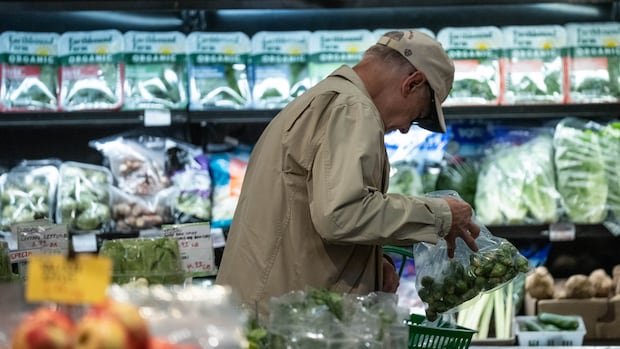
Manitoba shares the highest inflation rate in Canada, with elevated food prices being a significant factor. Statistics Canada’s latest consumer price index data revealed a 4.3 per cent inflation increase in Manitoba and Nova Scotia, matching the highest in the country. This surge contrasts with the nationwide inflation rate of 2.8 per cent, partly attributed to the impact of the conflict in Iran on escalating costs.
Prof. Sylvain Charlebois, the director of the Agri-Food Analytics Lab at Dalhousie University, expressed concerns about the prolonged Iranian conflict potentially driving up grocery prices due to increased energy expenses. Manitoba witnessed the most substantial food inflation surge among provinces, with a 4.9 per cent increase between April 2025 and April 2026, surpassing the national average by a full percentage point.
Property taxes surged by over 19 per cent in Manitoba, double the rate in British Columbia. The province also led in food cost hikes for items purchased from stores and fruits, registering increases of 4.8 per cent and 4.3 per cent, respectively. Additionally, Manitoba ranked second in inflation rates for fish, seafood, and marine products.
Charlebois highlighted the impact of transportation and trucking costs on rising prices, particularly in Manitoba, emphasizing the volatility of energy costs affecting product distribution expenses. Beyond groceries, other sectors in Manitoba experienced notable cost escalations, such as clothing, footwear, electricity, and health and personal care goods.
Progressive Conservative finance critic Lauren Stone criticized the NDP for allowing Manitoba’s cost of living to become the highest in the country. In response, Finance Minister Adrien Sala defended the government’s efforts to mitigate affordability challenges through regional initiatives, including a gas tax reduction. The government also committed to eliminating PST on select grocery items to alleviate financial burdens on Manitobans.
Despite these measures, political tensions persist, with the opposition threatening to delay budget implementation unless further tax relief measures are adopted. Charlebois mentioned that the proposed PST cut on packaged foods could provide modest savings of $80 to $200 annually for an average Manitoba household.
In conclusion, Manitoba’s inflation challenges, driven by various factors including food costs and property taxes, continue to impact residents, prompting ongoing debates on the best strategies to address affordability concerns.