
A diverse and expansive ecosystem located in the northern region of Manitoba is edging closer to receiving long-term safeguarding measures that have been under discussion between the provincial and federal authorities for an extended period.
At the COP15 biodiversity conference in 2022, the federal and Manitoba governments disclosed their collaboration with the Seal River Watershed Alliance to formulate a comprehensive management strategy for the Seal River, a 260-kilometre waterway that courses through northern Manitoba into Hudson Bay. This partnership, including four First Nations with ancestral ties to the watershed, initiated a study in 2024 to determine optimal strategies for protecting the river’s unspoiled watercourses, wetlands, and boreal forest habitats rich in wildlife.
Recently, Manitoba’s Environment Minister Mike Moyes, along with leaders from the involved First Nations and federal representatives, unveiled initiatives aimed at ensuring the conservation of the Seal River for the future, with the province committing a $4-million endowment towards this endeavor. They have requested public input on the proposed Seal River preservation plans, which involve managing the watershed through designated protected areas in collaboration with Manitoba, Parks Canada, and the Seal River Watershed Alliance.
Moyes expressed his enthusiasm for enhancing nature conservation efforts, emphasizing the significance of the proposal’s release to Manitobans and eagerly anticipating feedback from the public. The joint statement issued by both governments outlined the proposal’s focus on establishing a network of protected areas to sustain the lands and waters, respect Indigenous traditions, and welcome visitors to the northern Manitoba region.
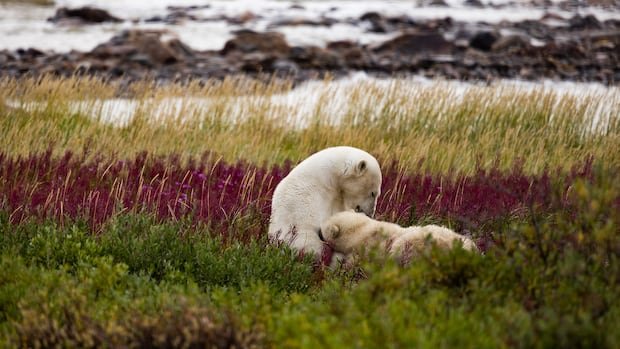
The announcement follows Prime Minister Mark Carney’s unveiling of a $3.8-billion plan to safeguard nature, with a significant portion allocated towards establishing the Seal River Watershed Indigenous Protected and Conserved Area and a national park reserve. The Seal watershed, spanning a vast 50,000-square-kilometre area, hosts a variety of wildlife, including polar bears, wolverines, caribou, and endangered bird species.
Apart from supporting local communities for millennia, the wetlands linked to the river play a crucial role in combatting climate change by acting as carbon sinks, absorbing and storing carbon dioxide from the atmosphere. The failure to conserve these ecological services could result in substantial economic losses for Manitoba due to climate change impacts, as outlined in the province’s 2025 Health Status report.
The Seal River Watershed Alliance, comprising members from various Indigenous communities, is dedicated to protecting the Seal River, with a focus on expanding eco-tourism opportunities. The proposed protection measures involve forming a joint management board involving Indigenous, federal, and provincial representatives to oversee conservation efforts, ultimately designating the entire watershed as an Indigenous Protected and Conserved Area, with a significant portion becoming a provincial park and the remainder transforming into a national park reserve.
Manitobans are encouraged to participate in the public consultation period running from April 17 to June 2 to provide feedback on the proposed preservation plans for the Seal River watershed.