
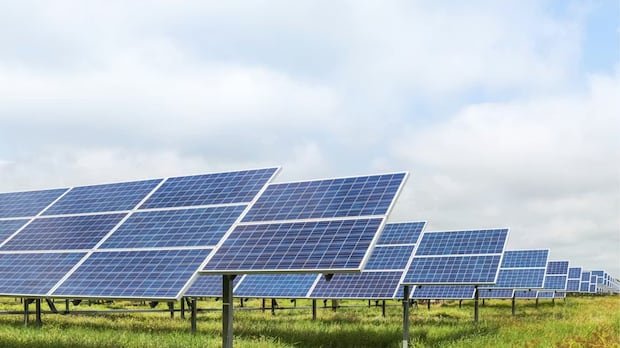
Medicine Hat, a city in southeastern Alberta recognized for its gas wells, has approved the development of a significant urban solar project, pending the presence of a buyer for the energy it generates. The municipal council unanimously voted to allocate $131.5 million towards constructing a solar farm, aiming to attract new investments, realize carbon levy savings, and prolong the lifespan of gas-fired turbines.
Mayor Linnsie Clark expressed optimism about the potential for stimulating new business ventures in the city through this initiative. The first phase of the Saamis Solar Park project, a 75-megawatt endeavor, will kick off the project, with future expansions being a possibility. The completed 325-megawatt solar park could potentially fulfil Medicine Hat’s entire electricity needs, offering an alternative energy source as the gas fields diminish and power revenue from gas fluctuates.
Construction will commence once the city secures a commitment from a business interested in purchasing the renewable energy. Council member Stuart Young emphasized that the project relies on having a confirmed buyer in place before proceeding. The city is anticipating a swift start to construction, estimated to begin in a matter of months.
To move forward, Medicine Hat must obtain approval from Alberta’s energy regulator to modify the original project proposed by private firm DP Energy. The city had previously authorized a $7 million expenditure to acquire DP Energy’s plan, which entailed deploying panels on industrial land within city limits. The funding for Saamis Solar Park will be sourced from the city’s Energy Transition Reserve and through new debt, with a portion expected to be offset by federal grants subject to provincial approval.
If all prerequisites are met, including securing a buyer and initiating construction, the Saamis Solar Park is projected to become operational by 2028. This transition marks a significant shift for Medicine Hat, traditionally dubbed “the Gas City,” due to its historical reliance on municipal power and gas interests for financing civic projects and maintaining low tax rates.
Despite opposition citing concerns about risk and cost, city officials assure that the solar project will not impact property taxes or utility bills. The focus remains on generating revenue for the city, emphasizing a business-driven approach rather than solely embracing renewable energy ideologies. The declining costs of solar technology have made projects like Saamis Solar economically viable, aligning with the city’s financial objectives.
Council members, initially skeptical about the project’s viability, have been swayed by commercial interest in the solar endeavor, acknowledging the growing attractiveness of green energy investments. The decision to pursue solar energy underscores Medicine Hat’s strategic move towards diversifying its energy portfolio while maintaining a profitable outlook.
Gordon Howell, a solar electric systems specialist, commended the city for emphasizing the business rationale behind the solar project, considering Medicine Hat’s historical association with gas production. Howell highlighted the importance of leveraging solar resources alongside gas reserves, especially with a confirmed buyer eager to procure energy from a city-owned solar farm.