
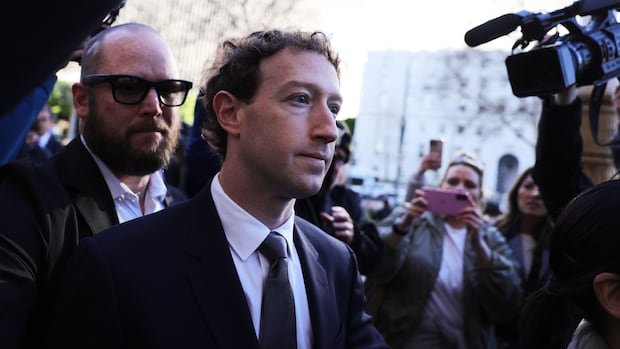
Meta CEO Mark Zuckerberg defended his previous testimony during a court appearance on Wednesday, refuting claims that he misled Congress regarding the company’s social media platform design amid a pivotal trial on youth social media addiction. The questioning centered on statements Zuckerberg made during a 2024 congressional hearing, where he denied instructing teams to maximize user time on the company’s apps.
Lawyer Mark Lanier, representing a woman alleging mental health harm caused by Meta during her childhood, presented emails from 2014 and 2015 where Zuckerberg discussed increasing app usage by double-digit percentages. Zuckerberg acknowledged past goals related to app usage but stated that Meta has since altered its approach.
Zuckerberg firmly disagreed with suggestions that his previous testimony was inaccurate, marking his first court testimony on Instagram’s impact on young users’ mental health. The trial’s outcome holds significant implications for Meta, potentially leading to financial penalties and undermining Big Tech’s defense against user harm claims.
The lawsuit is part of a broader global trend challenging social media platforms over children’s mental well-being. Various countries, such as Australia and Spain, are exploring restrictions on underage social media access, mirroring Florida’s ban on users under 14, which faces legal challenges from tech industry groups.
The case involves a California woman alleging that Meta’s Instagram and Google’s YouTube targeted children to boost profits despite knowing the mental health risks. Both companies deny the allegations, emphasizing their safety measures. The lawsuit, serving as a precedent for similar claims against Meta, Google, Snap, and TikTok, represents a subset of numerous legal actions accusing these platforms of exacerbating youth mental health issues.