
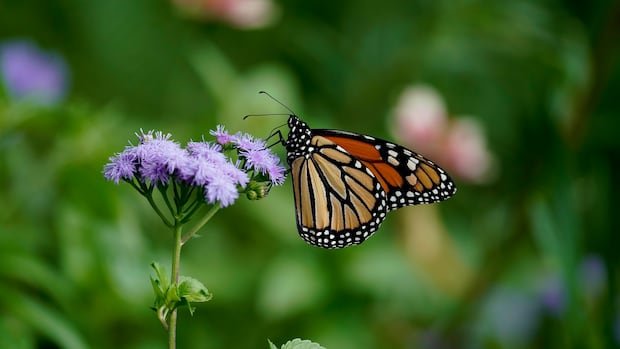
MaryAnn Lepp recently observed a significant increase in monarch butterflies undergoing their transformation in her garden, with 20 caterpillars feasting on her swamp milkweed in just one day. This surge in butterfly activity is being witnessed by numerous monarch enthusiasts across Canada, particularly in certain Prairie regions experiencing favorable wet and hot weather conditions this summer.
The boost in monarch sightings has sparked excitement among butterfly enthusiasts, who are documenting the phenomenon on social media platforms like the Manitoba Monarch Mission group. While conservation experts cannot definitively attribute the surge to weather conditions, the abundance of anecdotal reports of caterpillars, chrysalises, and monarch butterflies is seen as a positive sign for the federally endangered species known for their remarkable annual migration between Canada and Mexico.
Marika Olynyk, curator of the Living Prairie Museum, noted a significant presence of monarchs in Winnipeg this year, with consistent sightings of caterpillars, chrysalises, and butterflies throughout the summer. Despite the availability of various flowering plants that attract pollinators, monarch butterflies exclusively feed on milkweed leaves during their caterpillar stage, emphasizing the importance of preserving milkweed habitats.
Although efforts to plant milkweed and native wildflowers have increased, these habitats are not as abundant as they once were due to the conversion of native grasslands into farmland. Habitat loss remains the primary threat to monarch butterflies, highlighting the urgent need for conservation measures to protect these iconic species and their critical habitats.
In response to the declining monarch population, the Canadian government upgraded the legal status of monarchs from “special concern” to “endangered” in 2023, offering greater protection against harm or capture on federal lands. Despite conservation efforts and growing awareness, monarch populations are still below sustainable levels, underscoring the ongoing challenges faced by these butterflies.
Alongside the resurgence of monarch butterflies, conservationists are also witnessing positive developments for the Poweshiek skipperling, a critically endangered butterfly teetering on the brink of extinction. Efforts to breed and release Poweshiek skipperlings at the Assiniboine Park Zoo have shown promising results, indicating progress towards the species’ recovery.
As conservationists continue their efforts to protect and monitor monarch butterflies, the collaboration between wildlife organizations and dedicated individuals like MaryAnn Lepp highlights the collective commitment to preserving these iconic species and their ecosystems.