
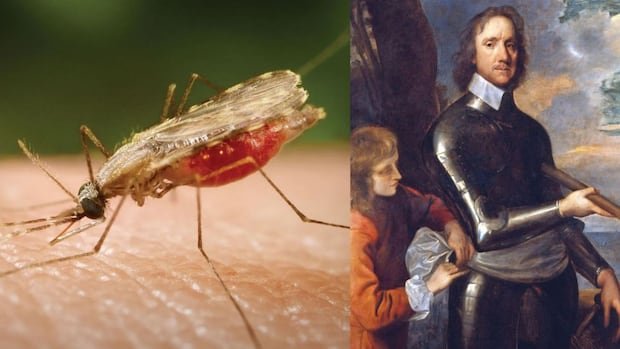
A proposal to erect a public statue of a mosquito in Cork, Ireland, is gaining attention. This unique statue would commemorate the insect believed to have bitten Oliver Cromwell, the English invader who allegedly succumbed to “Cork fever” (malaria) and passed away. The Green Party councillor, Oliver Moran, envisions this diminutive statue as potentially the smallest public monument globally, to be placed atop an empty plinth outside Cork City Hall.
While Cromwell’s legacy remains contentious, especially in Ireland due to his brutal military campaigns during the 17th century, Moran sees the statue as a novel way to honor the mosquito that may have played a role in Cromwell’s demise. The idea stemmed from a social media conversation where someone suggested commemorating the midge that allegedly led to Cromwell’s death, prompting Moran to embrace the concept as a fitting public memorial.
In Ireland, Cromwell’s actions are remembered for the devastating impact of his campaigns, resulting in the loss of hundreds of thousands of lives. This stark contrast in perspectives between England and Ireland underscores the historical complexities surrounding Cromwell’s legacy.
Regarding the statue’s design, Moran is exploring various options, including the potential placement at Cork City Hall or within the context of a historic stone fort associated with Cromwellian history in the city center. While the factual basis linking the mosquito bite to Cromwell’s death may be debated, Moran emphasizes the symbolic narrative of a powerful figure succumbing to a tiny mosquito, conveying a broader message of the downfall of tyrants by seemingly insignificant forces.
Through this proposal, Moran aims to spark discussions about public art and the unique environmental and historical elements of Cork, emphasizing the city’s marshland origins. This initiative seeks to engage the community in reflecting on the interplay between art, history, and nature within the urban landscape.