
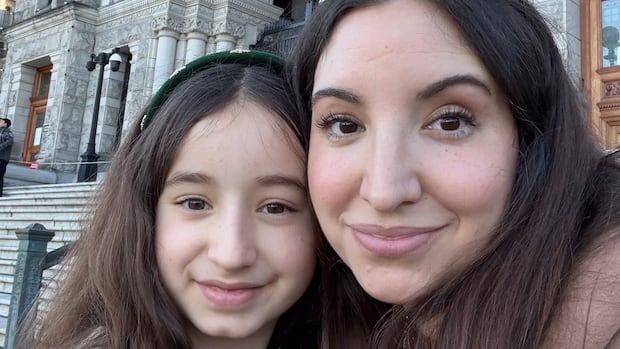
A mother of two battling Stage 4 breast cancer is sharing her experience regarding the lengthy delay in seeing an oncologist, a wait she believes may have taken away valuable time from her treatment.
Data from B.C. Cancer, as reported by CBC News, reveals that although wait times for care are improving, British Columbia still falls behind other provinces.
Sara Gillooly, a 40-year-old resident of Port Moody, B.C., is reluctant to discuss her survival odds regarding her advanced breast cancer. She aims to protect her 11-year-old daughter Alina and her four-year-old son Taig from unnecessary worry.
“With metastatic breast cancer, you have only a 25 per cent chance of surviving five years,” Gillooly explains, her voice filled with emotion.
Gillooly spoke at the legislature, where she was joined by her close friend, independent MLA Amelia Boultbee from Penticton-Summerland.
Reflecting on the eight months since she discovered a lump in her breast, Gillooly questions whether quicker intervention could have prevented the cancer’s advancement to her bones and lungs.
“I felt somewhat let down by our system. Although the doctors and surgeons have been exceptional, the wait times were particularly frustrating,” she stated.
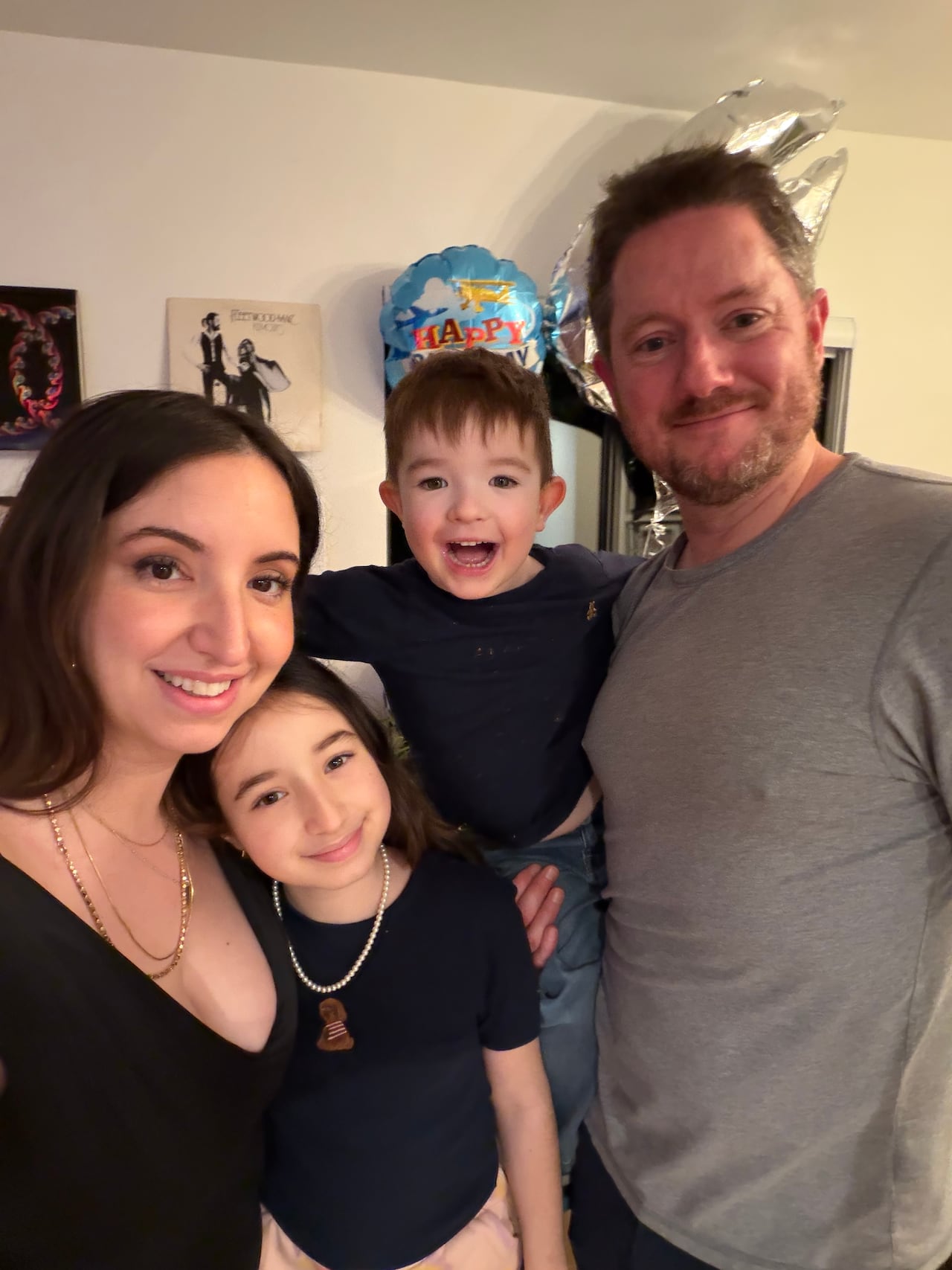
Sara Gillooly with her daughter Alina, her son Taig, and her husband Mike. (Sara Gillooly)
After discovering the lump in May, Gillooly received her breast cancer diagnosis on July 1. She recalls the nurse who came in on the holiday to inform her of the results. A surgery to remove the tumor occurred on July 28.
However, it took another two months for her to meet with an oncologist, significantly exceeding the national guideline of four weeks.
“The system kept telling me I wasn’t a priority. They reassured me that waiting two months was a positive sign, indicating that I was okay,” she recalled.
This delay hindered essential diagnostic tests, including a genomic test known as the Oncotype DX test, which assesses the likelihood of cancer recurrence. When she finally received the results, they revealed a high probability of the cancer returning.
By early November, tests indicated that her cancer had metastasized to her lungs.
“I often wonder if those months would have made a difference,” she reflects.
B.C. struggling to meet benchmark
B.C. Cancer data indicates that the province is still facing challenges in meeting the four-week target for patients to see an oncologist after referral.
Only 63 per cent of new patients managed to consult a medical oncologist within that timeframe. The statistics were even less favorable for patients requiring radiation therapy, with just 51 per cent seeing a radiation oncologist within four weeks.
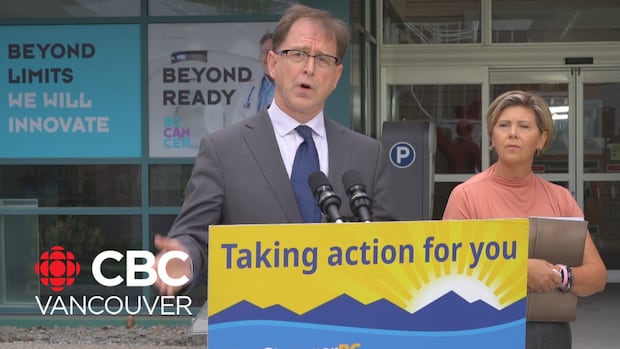
B.C. Cancer’s chief medical officer, Dr. Paris-Ann Ingledew, stated that while she cannot comment on Gillooly’s specific situation, “any wait is too long for a cancer patient.”
She explained that the cancer journey begins long before a patient is referred to B.C. Cancer, as most surgeries and diagnostic imaging are conducted by regional health authorities. Patients are referred to B.C. Cancer only after their cancer diagnosis is confirmed.
The leader of the union representing more than 23,000 health-care workers expressed her concern over Gillooly’s experience. “While her story is heartbreaking and incredibly difficult, it reflects a troubling trend that is all too common,” said Sarah Kooner, president of the Health Sciences Association.
Kooner noted that some delays stem from a shortage of professionals in diagnostic imaging, particularly for PET scans, which are essential before some patients can begin treatment.
“Fewer than 30 PET technologists are available in all of B.C.,” Kooner remarked. “And there are thousands of British Columbians who require their services, creating a significant bottleneck.”
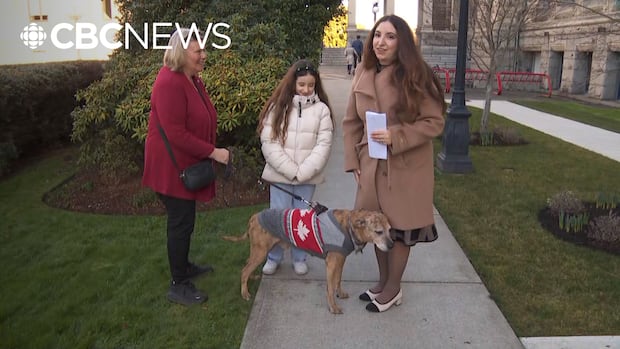
A mother of two with Stage 4 breast cancer raises her voice concerning the wait to meet an oncologist, fearing that a two-month delay may have impacted her future. As reported by CBC’s Katie DeRosa, B.C.’s premier acknowledges improvements but emphasizes that further progress is essential.
Dr. Robert Carruthers, president of the Consultant Specialists of B.C., leads a campaign titled Every Number is a Story, aimed at highlighting health-care wait times.
“I feel heartbroken for Gillooly. Her situation is not an isolated case, and sadly, many other patients are facing similar delays,” Carruthers commented.
He pointed out that the persistent shortage of specialists, including urologists, can hinder timely cancer diagnoses.
“It’s my greatest fear that such delays could affect someone’s life in this way,” he added.
For the past year, the province has been sending cancer patients to Bellingham, Washington for treatment due to some of the longest wait times for radiation therapy in Canada. One such patient is Don Helgeson from Nanaimo, who recently completed 20 sessions of radiation therapy at Peace Health St. Joseph Medical Centre in Bellingham.
B.C. Cancer reports that it has made progress in reducing the wait times for initiating cancer treatment.
Currently, just over 90 per cent of new patients are starting radiation therapy within four weeks, an increase from 75 per cent in December 2023, when backlogs forced B.C. to send some cancer patients to Bellingham for treatment.
According to the Canadian Institute for Health Information, which monitors health care wait times nationwide, B.C.’s wait times for radiation therapy remain the highest in the country based on data from 2024 to 2025.
Premier David Eby asserts that improvements have been made since last year, highlighting the hiring of hundreds of doctors and technicians, as well as the establishment of four new cancer centres set to open in Nanaimo, Kamloops, Surrey, and Burnaby in the upcoming years.
B.C. Cancer has employed 85 full-time medical staff since April 2023, including 38 medical and radiation oncologists and 25 general practitioners specializing in oncology.
Nevertheless, Eby acknowledges that “there’s still a significant strain on the system.”