
NASA has confirmed that the Artemis II mission, which will take four astronauts around the moon, is set to launch as early as April 1 after facing multiple delays. During a press conference, Lori Glaze, acting associate administrator for the Exploration Systems Development Mission Directorate, stated that all teams involved are ready to launch and fly Artemis II pending the completion of some remaining work. Glaze emphasized that this mission is a test flight and carries inherent risks, but assured that the team and hardware are prepared for the upcoming launch, with plans to roll out to the pad next week.
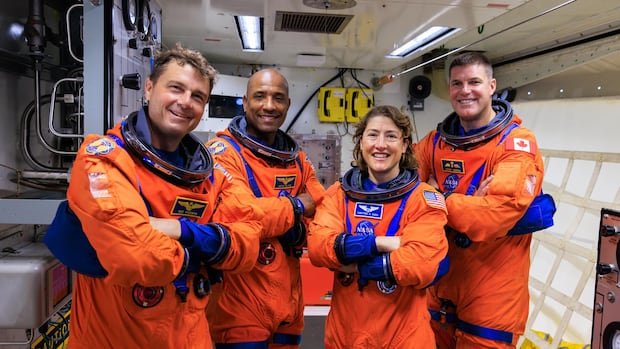
The press conference focused on NASA’s flight readiness review, a crucial step before launch. Glaze announced that a new launch date, April 2, has been added to the window, allowing the Artemis II mission to launch anytime between April 1 and April 6. The mission will feature Canadian Space Agency astronaut Jeremy Hansen alongside NASA astronauts Reid Wiseman, Victor Glover, and Christina Koch on a flight path around the moon.
The astronauts are scheduled to enter quarantine on March 18 before heading to the Kennedy Space Center on March 27. NASA’s Space Launch System (SLS) was initially rolled out to the launch pad in January for a planned February launch. However, delays occurred due to hydrogen leaks during wet dress rehearsals, similar to issues encountered during the Artemis I rehearsal.
Following a second wet dress rehearsal on Feb. 19 to address the hydrogen leak, a problem with helium flow to the upper-stage engines was identified, leading to the rocket being rolled back to the Vehicle Assembly Building on Feb. 25. NASA later ruled out a March launch. NASA has since resolved the helium issue, replaced batteries in key components, and planned to retest the flight termination system.
In related news, NASA administrator Jared Isaacman announced changes to the Artemis program, with Artemis III shifting its focus from a lunar landing to a test mission involving docking with lunar landers developed under contracts with SpaceX and Blue Origin.