
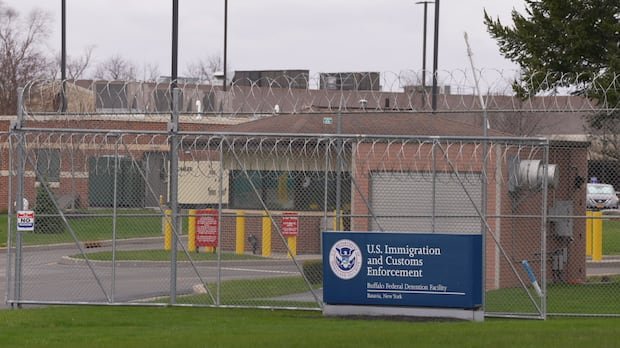
Last week, a second Native American-owned company announced the termination of a multi-million dollar contract with United States Immigration and Customs Enforcement (ICE) due to community pressure. A subsidiary of Oneida ESC Group, owned by the Oneida Nation of Wisconsin, canceled a $3.8 million contract with ICE for engineering and inspection of federal facilities following the Oneida government’s denouncement of the contract. In response, the Oneida government replaced the subsidiary’s board of managers.
Chairman Tahassi Hill of the Oneida Nation of Wisconsin emphasized the importance of nations having the autonomy to uphold their own values and vision. He stated that immediate action is necessary when issues arise that contradict their laws, policies, and core values.
In a similar move last month, the Prairie Band Potawatomi Nation in Kansas announced the cancellation of a $29.9 million contract with ICE for planning, research, and concept designs. The tribe’s leadership also terminated senior members of the corporation involved in the contract. Tribal Chairman Joseph “Zeke” Rupnick expressed concerns about participating in activities reminiscent of the historical mistreatment of Indigenous people.
Becky Webster, a former senior staff attorney for the Oneida Nation of Wisconsin, highlighted the operational independence of tribal corporations from nations, enabling them to diversify economically while shielding the nation from certain legal liabilities.
Matthew L. M. Fletcher, a law professor and member of the Grand Traverse Band of Ottawa and Chippewa Indians, explained that affirmative action programs dating back to the 1960s and 1970s support historically disadvantaged, minority-owned businesses. Tribally owned corporations, Alaska Native corporations, and Native Hawaiian organizations enjoy contracting preferences under the federal 8(a) program for socially and economically disadvantaged small business owners.
While some affirmative action programs have been discontinued, the 8(a) program remains unaffected, providing contracting opportunities for Indigenous-owned businesses. Despite ideological differences, Indigenous tribes find contracting attractive due to their legal status, exempting them from certain regulatory requirements and public disclosures.
Akima, a business entity of NANA Regional Corporation owned by 11 Iñupiaq villages in Alaska, maintains multimillion-dollar contracts with the Department of Homeland Security and ICE, including services related to detention facilities. NANA and Akima emphasize adherence to ethical values and transparency in their operations.
In closing, Winona LaDuke, an environmentalist from White Earth Reservation, criticized the transformation of Indigenous people into corporations as a form of colonization. She urged tribal nations to scrutinize their business dealings to prevent morally objectionable contracts and maintain alignment with their cultural values.