
Israeli Prime Minister Benjamin Netanyahu has downplayed the significance of the U.S. announcement regarding the progression of the fragile ceasefire in Gaza to its second phase, sparking uncertainty about the implementation of its more complex aspects. In a separate development, two Israeli airstrikes in Deir al-Balah, Gaza Strip, resulted in the deaths of seven individuals, including a senior Hamas militant, as reported by local health authorities on Thursday. Hamas condemned the strikes on the Al-Holy family, accusing Israel of breaching the ceasefire agreement and stoking tensions.
Netanyahu dismissed the governing committee of Palestinians announced in the second phase as a mere symbolic gesture during a conversation with the parents of Ran Gvili, an Israeli police officer held captive in Gaza. The parents of Gvili had urged Netanyahu to prioritize their son’s return before advancing the ceasefire, according to Israel’s Hostage and Missing Families Forum.
The commencement of the ceasefire’s second phase signals progress but raises numerous unanswered questions, including the composition of the proposed non-political Palestinian expert committee and an international “Board of Peace.” An Israeli official, speaking anonymously, mentioned that the committee’s formation had been coordinated with Israel.
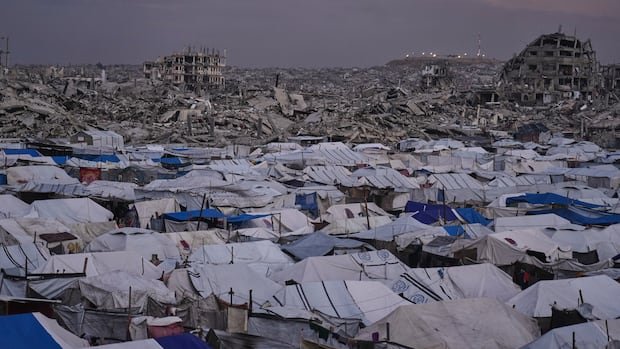
Concerns also revolve around the timing of international forces deployment, the reopening of Gaza’s Rafah border crossing, and specific plans for disarming Hamas and reconstructing Gaza. Ali Shaath, the designated head of the committee, revealed in an interview that the reconstruction efforts could span around three years, beginning with urgent needs like shelter.
The next phase of the ceasefire is expected to tackle complex challenges such as disarming Hamas and transitioning to a new governance structure after the group’s prolonged rule in Gaza. Hamas has expressed readiness to dissolve its existing government to make room for the newly announced committee but has not clarified the fate of its military wing or associated personnel.
Despite the announcement of progress, violence persists in Gaza, with more than 450 casualties reported since the ceasefire agreement in October, including over 100 children, according to UNICEF. Palestinians affected by the conflict express skepticism about the tangible impact of moving into Phase 2, citing ongoing bloodshed and difficulties in accessing essential supplies and services.
Gaza’s population, facing harsh winter conditions and humanitarian aid shortages, continues to endure challenges as the region grapples with the aftermath of the conflict. The ceasefire’s second phase holds the promise of significant changes, but residents remain cautious, hoping for concrete improvements rather than empty assurances.