
New Brunswick residents now have expanded options for recycling electronics, including household appliances. Starting January 1, the range of items eligible for recycling has nearly doubled, as confirmed by Karen Ulmanis, the program director for the Electronic Products Recycling Association in New Brunswick. This update marks the first modification to the recycling list in nine years.
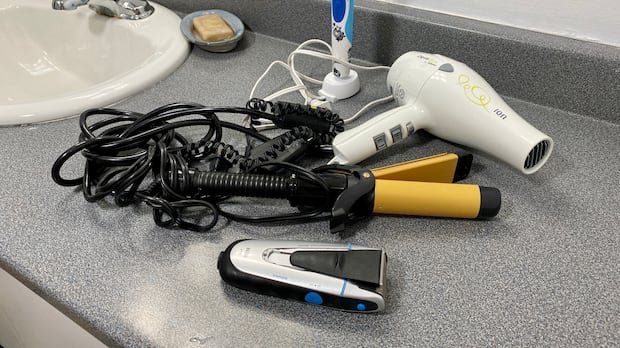
The updated list now covers a wide array of electronic devices that are plugged in, such as coffee makers, toasters, hair dryers, vacuum cleaners, and electric toothbrushes, in addition to the previously accepted items like televisions, stereos, computers, laptops, and phones. The only exclusion from the list is devices containing freon, a gas used in air conditioners, for which residents are advised to contact their local landfill for proper disposal.
Ulmanis, also known as Recycle My Electronics, directs individuals to their website for information on recyclable items and designated drop-off locations, as these electronics cannot be included in curbside recycling pickups. The website provides a map displaying the nearest collection sites and retail stores for drop-off. In the Fredericton area, residents can drop off items at locations like city hall, Best Buy, Best Metal Bottles, and the Salvation Army.
For devices containing personal data, such as phones and laptops, Fredericton City Hall offers a secure drop-off service. Ulmanis emphasizes the importance of wiping data from devices before disposal, recommending a factory reset for this purpose. Businesses can arrange for large pickups through the association’s website.
The expansion of the electronics recycling list follows legislative amendments to New Brunswick’s Clean Environment Act in July 2024 amid a surge in electronic waste (e-waste) in Canada. A University of Waterloo study from 2023 revealed a threefold increase in e-waste over the past two decades, with e-waste generation per person rising from 8.3 kg in 2000 to 25.3 kg in 2020. This increase is attributed to consumer behavior and population growth.
Shruti Shekar, the editor-in-chief at Android Central, advises against disposing of tech items in regular garbage. She highlights the prevalence of unwanted electronics in households and suggests utilizing buy-back programs or the second-hand market for electronics disposal. Shekar recommends considering refurbished products from retailers like Walmart or Best Buy as cost-effective alternatives to new technology, emphasizing the longevity of electronic devices and the sustainability of purchasing second-hand items.