
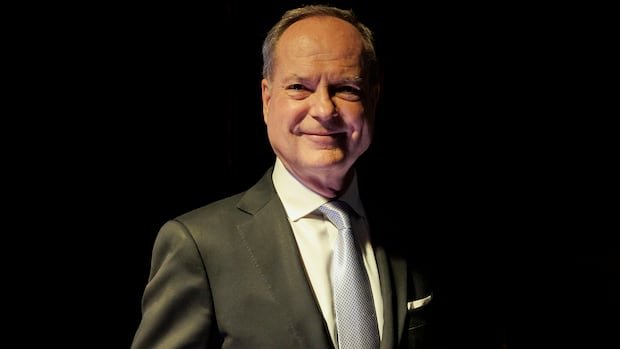
Ontario’s finance minister has reaffirmed the province’s stance on maintaining the ban on American alcohol sales in LCBO stores, despite concerns raised by U.S. representatives regarding trade negotiations with the Trump administration. Peter Bethlenfalvy, in an interview with CBC News, emphasized that the decision to remove U.S. alcohol from shelves in early 2025 was in response to tariffs imposed by President Trump and remains a firm position of the government.
Bethlenfalvy emphasized that the removal of tariffs is the sole condition for lifting the U.S. alcohol boycott in Ontario, stating unequivocally, “This is something we’ve sent a very clear signal on.” Despite acknowledging the undesirability of the situation, the minister reiterated the government’s commitment to the ban.
The U.S. has called for an end to provincial alcohol boycotts as part of the conditions set forth by U.S. trade representative Jamieson Greer for extending the Canada-U.S.-Mexico agreement (CUSMA). The ban, along with a decrease in Canadian tourism, has led to tensions between the two countries. Bethlenfalvy refrained from speculating on the reasons for the ban’s impact but emphasized the need for a mutually beneficial trade deal.
The alcohol ban, implemented in March, has inadvertently created benefits for local producers in Ontario, with increased shelf space and significant growth reported in Ontario wines and craft beer sales. Premier Doug Ford expressed optimism about the opportunities for local producers. Looking ahead, the government will closely monitor the CUSMA renegotiations set to commence in 2026.
Despite the economic challenges posed by U.S. tariffs, Ontario’s government remains committed to supporting affected sectors through the $5-billion Protect Ontario Fund. Bethlenfalvy defended the government’s financial decisions and emphasized the long-term benefits of infrastructure investments, dismissing criticisms of rising debt levels.
The minister also addressed the controversy surrounding the Skills Development Fund, highlighting its importance in providing essential training for workers and acknowledging the need for continuous improvement based on recommendations from the auditor general.