
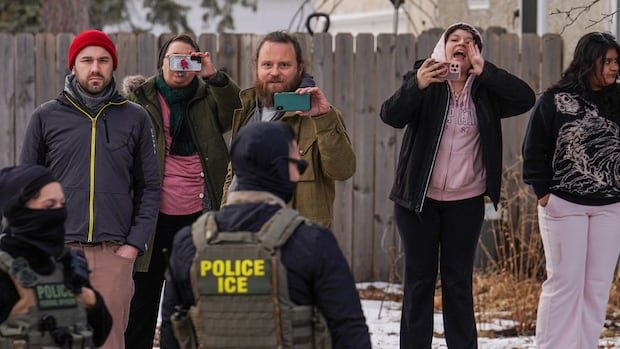
The immigration enforcement operation in Minnesota that resulted in significant detentions, protests, and the tragic deaths of two American citizens is coming to a close, according to U.S. President Donald Trump’s border czar. Tom Homan stated during a press conference in Minneapolis that the surge operation, known as Operation Metro Surge, is being concluded as per his proposal, which received approval from President Trump.
Approximately 3,000 federal officers from Immigration and Customs Enforcement (ICE) and Customs and Border Patrol (CBP) were deployed to Minnesota starting in early December. Last week, Homan announced the departure of around 700 officers from both agencies. He did not specify a timeline for further withdrawals but mentioned that officers would either return to their home bases or be redeployed to other cities in the U.S. The number of officials in Minnesota will revert to pre-surge levels, typically consisting of a few dozen individuals.
The operation faced heightened tensions following the fatal shootings of Renee Good and Alex Pretti by ICE and Border Patrol officers, respectively. Despite the controversy, federal authorities defended the surge as necessary to address criminal immigrant activities in the face of challenges posed by local sanctuary laws.
Homan highlighted the success of the operation in apprehending over 4,000 individuals, including violent offenders, emphasizing that the goal was to enhance public safety in Minnesota. As the federal presence diminishes, protests have subsided, with local leaders cooperating to navigate the situation.
The aftermath of the shootings prompted intense scrutiny, with conflicting narratives emerging regarding the justification for the use of force. Capitol Hill hearings revealed divergent perspectives, with lawmakers questioning the actions of federal law enforcement officials involved in the incidents. The Justice Department initiated a civil rights investigation into Pretti’s shooting, raising questions about the circumstances surrounding the tragic events.
The operation’s impact extended to the legal realm, as the U.S. Attorney’s Office in Minneapolis grappled with a surge in immigration-related cases and prosecutions stemming from the enforcement actions. The unfolding developments have triggered resignations within the office, reflecting the stress and challenges faced by officials.
The broader context of the immigration operation reflects the ongoing political battle over Department of Homeland Security funding, with Democrats pushing for reforms in enforcement practices and increased accountability for federal agents. Amidst these debates, the future of DHS funding remains uncertain, with potential implications for government operations and policies.
Overall, the conclusion of the immigration enforcement operation in Minnesota underscores the complex interplay between federal authority, public safety concerns, and civil rights considerations in the current political landscape.