
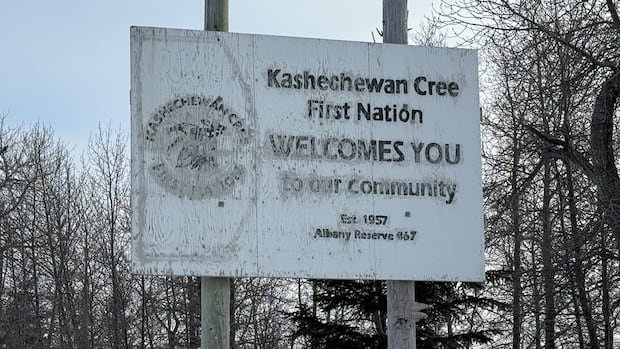
Officials in Kashechewan First Nation have reported that 19 individuals in the community have been diagnosed with a parasite known as cryptosporidium. This parasite typically leads to gastrointestinal issues such as diarrhea and stomach discomfort, usually resolving on its own with adequate rest and hydration. However, immunocompromised individuals, infants, and seniors may require antimicrobial treatment.
Indigenous Services Canada, in collaboration with Ontario public health and the Northeastern Public Health Unit, are actively investigating to pinpoint the source of the illness. Tyson Wesley, the executive director of Kashechewan, stated that extensive testing is still needed to identify the origin of the parasite.
Cryptosporidium is commonly found in contaminated soil, feces, and lake water. Infection can occur through consuming contaminated water or food, or direct contact with an infected individual.
Chief Hosea Wesley declared a state of emergency on January 4th after the water treatment plant malfunctioned due to faulty pumps. Evacuations have been ongoing due to the lack of access to clean drinking water. Repairs are currently underway at the plant, pending testing results to ensure water safety.
Although efforts are being made to address the situation, the source of the cryptosporidium contamination remains unidentified according to Indigenous Services Canada. Back in 2005, flooding in the region resulted in E. coli contamination of the local drinking water.
The community’s long-term planning is hindered by its location in a flood plain, necessitating evacuation every spring. Discussions about relocating the community 30 kilometers north to higher ground have been ongoing for years, with commitments from past governments that have yet to materialize under the current administration.