
PetroChina Canada Ltd. is facing challenges in its pursuit of acquiring full ownership of a pipeline network in Alberta.
The Canadian subsidiary of the state-owned Chinese energy corporation currently holds a 50% stake in the Grand Rapids Pipeline, with the remaining share owned by South Bow Corp., based in Calgary. The Grand Rapids Pipeline stretches 460 kilometers from the oilsands region in northeastern Alberta to the Edmonton area.
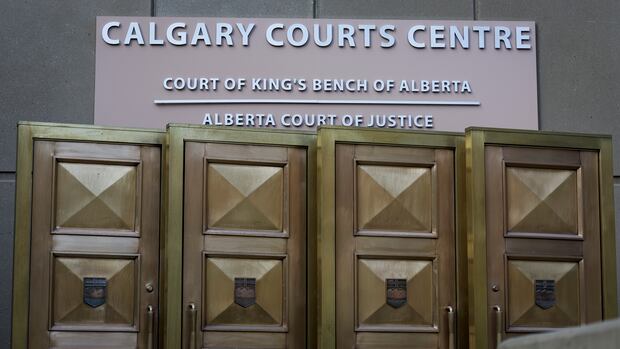
PetroChina aimed to buy out South Bow’s interest as stipulated in their agreement, which includes a 30-day deadline, as indicated by a decision from the Alberta Court of King’s Bench that was made public last week.
Justice Douglas Mah, who provided an oral ruling in December, noted, “The proverbial fly-in-the-ointment is the requirement of two governmental authorizations.”
He explained, “First, due to the size and nature of the transaction, dispensation is required under the Competition Act … Second, because PetroChina is a Chinese state-owned enterprise, its acquisition of South Bow’s interest in the pipeline must undergo a net benefit review under the Investment Canada Act … Both of these authorizations require time to obtain.”
On November 21, PetroChina formally notified South Bow of its intention to exercise the buyout option and submitted a draft purchase and sale agreement. Additionally, it requested an extension of the 30-day deadline until the necessary government approvals were secured, or that the closing be contingent upon receiving those approvals.
In response, South Bow stated three days later that it would not alter its agreement with PetroChina and deemed its partner’s notice to exercise the option as “non-compliant because authorizations had not been obtained,” according to Mah’s ruling.
This situation would have set the deadline for exercising the option at December 24. Given the unlikelihood of obtaining approvals by Christmas Eve, PetroChina initiated a dispute resolution process as outlined in its agreement with South Bow.
PetroChina requested an injunction from Mah to prevent the expiration of the option period while the two companies sought to resolve their disagreement through arbitration, “which will likely take several months,” the judge noted.
Mah declined PetroChina’s request, expressing skepticism that the company would experience “irreparable harm” without an injunction.
“PetroChina claims that its irreparable harm is the loss of the option, but that can be restored by the tribunal, which is precisely what PetroChina is seeking in the arbitration,” wrote Mah.
He added, “In my opinion, harm cannot be deemed irreparable if the applicant can be returned to the exact position it desires by the decision-maker’s final ruling. South Bow opposes that determination but acknowledges the arbitration tribunal’s authority to make such a decision.”
PetroChina established its agreement to construct the Grand Rapids Pipeline in 2012 with TransCanada Corp., now known as TC Energy Corp. (TC split its oil pipeline segment into South Bow in late 2024), and the pipeline has been operational since 2017.
The initial construction cost was estimated at $3 billion. The recent court ruling did not provide an updated valuation.
Neither South Bow nor PetroChina Canada immediately replied to a request for comments.