
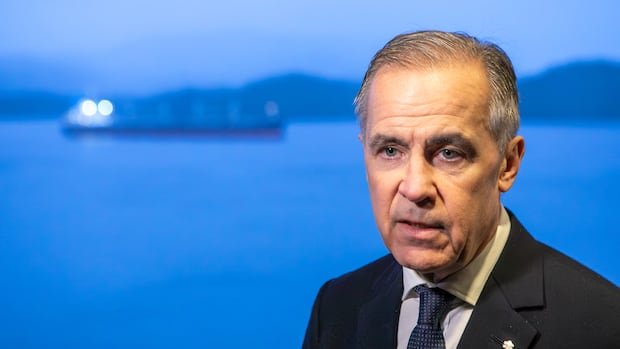
Prime Minister Mark Carney is set to travel to China in an effort to mend strained diplomatic relations and address a significant trade issue involving Canada’s high tariffs on Chinese electric vehicles and China’s retaliatory agricultural levies. China has indicated that if Canada removes its tariffs on electric vehicles, they would be willing to reciprocate by dropping their retaliatory tariffs.
Although Canadian officials anticipate progress during the Beijing visit, they do not expect an immediate resolution or complete elimination of what they perceive as China’s unfair tariffs. Vina Nadjibulla, the Vice President of Research and Strategy at the Asia Pacific Foundation of Canada, believes that while a definitive resolution may not be achieved immediately, there will likely be some positive developments or indications of China’s direction.
Carney’s upcoming four-day trip to Beijing represents the first visit by a Canadian Prime Minister since 2017. This visit is part of Canada’s broader strategy to diversify trade beyond the U.S. and re-engage with China following a period of strained relations, including the detention of two Canadians by Beijing.
The visit is seen as a crucial milestone in Canada-China relations and a significant test for the Prime Minister. Nadjibulla emphasizes the importance of Carney’s strategic decision-making in negotiations with China, as any agreements reached on electric vehicles could impact discussions with the U.S. regarding the renewal of the Canada-U.S.-Mexico agreement.
Canada’s imposition of 100% tariffs on Chinese electric vehicles aligns with similar measures by the Biden administration to safeguard the North American auto sector. Nadjibulla suggests that Canada could consider alternative approaches, such as imposing specific tariffs based on subsidies received by Chinese manufacturers or allowing local production of Chinese electric vehicles or batteries, although this might face opposition from the auto industry due to its potential impact on Canada’s automotive sector.
Discussions between Canada and China are ongoing, with both sides making efforts to address trade issues gradually over time. Saskatchewan Premier Scott Moe is expected to accompany Carney on part of his trip, emphasizing the importance of resolving trade disputes affecting his province.
During the visit, Carney is scheduled to meet with China’s President Xi Jinping to discuss and potentially sign new agreements. Canada is also exploring opportunities to expand its petroleum and liquefied natural gas markets in China.
While some view Carney’s visit as a positive step towards improving relations, others caution against overlooking potential risks associated with foreign interference in Canada. Experts recommend implementing protective measures to counter foreign influence before engaging in significant diplomatic initiatives.
Following his visit to China, Carney plans to visit Qatar to attract investment from the Middle East before heading to Switzerland for the World Economic Forum.