
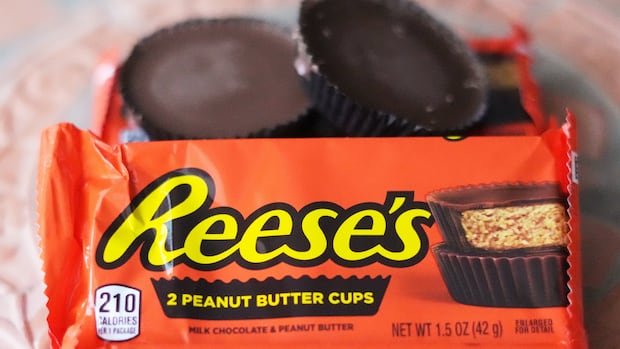
The descendant of the creator of Reese’s Peanut Butter Cups has criticized The Hershey Co., alleging that the candy manufacturer has compromised the Reese’s brand by switching to more economical ingredients in various products. Hershey has acknowledged making some alterations to recipes, citing a need to cater to evolving consumer preferences and cope with rising cocoa prices, which have prompted experimentation with reducing chocolate content.
Brad Reese, aged 70, expressed his concerns in a letter dated February 14 to Hershey’s corporate brand manager, highlighting instances where the company substituted milk chocolate with compound coatings and peanut butter with peanut creme in multiple Reese’s offerings. He questioned how Hershey could maintain Reese’s reputation as a flagship brand embodying trust, quality, and leadership while quietly replacing the core ingredients that initially established consumer trust in Reese’s.
H.B. Reese’s grandson, Brad Reese, who founded his own confectionery business after a stint at Hershey, raised objections against Hershey’s alleged modifications to various Reese’s products. Hershey, on the other hand, refuted claims that Reese’s Peanut Butter Cups have undergone any fundamental changes, asserting that the iconic treats continue to be crafted with milk chocolate and house-made peanut butter derived from roasted peanuts, sugar, and salt, although some variations in ingredients exist.
Amid an expanding product line, Hershey stated that adjustments to recipes are made to introduce new shapes, sizes, and innovations that resonate with Reese’s enthusiasts while preserving the quintessential blend of chocolate and peanut butter. While Hershey maintains that the essence of Reese’s remains intact, Brad Reese voiced disappointment with Hershey’s recent product developments, including the introduction of Reese’s Mini Hearts for Valentine’s Day, which he found inedible compared to the traditional milk chocolate and peanut butter treats he used to enjoy daily.
The U.S. Food and Drug Administration imposes stringent requirements on chocolate ingredients and labeling, specifying minimum thresholds for chocolate liquor content, milk solids, and milk fat in products labeled as milk chocolate. Companies may employ alternative labeling practices to sidestep these standards, such as Hershey’s use of “chocolate candy” instead of “milk chocolate” on Mr. Goodbar packaging.
Brad Reese alleged that Hershey has altered recipes for several Reese’s products over the years, including Take5 and Fast Break bars, which were previously coated with milk chocolate. He also noted differences in the formulation of White Reese’s bars and European versions of Reese’s Peanut Butter Cups, with Hershey attributing label variations in the EU and the UK to differing regulatory requirements for milk chocolate products.
In a recent investor conference call, Hershey’s Chief Financial Officer Steven Voskuil acknowledged formula adjustments but assured investors of the company’s commitment to preserving the taste and distinctiveness of its iconic brands. Brad Reese, however, emphasized the importance of quality in product innovation, referencing a renowned quote from Milton Hershey, the company’s founder, that emphasizes the value of delivering superior products as the best form of advertisement.