
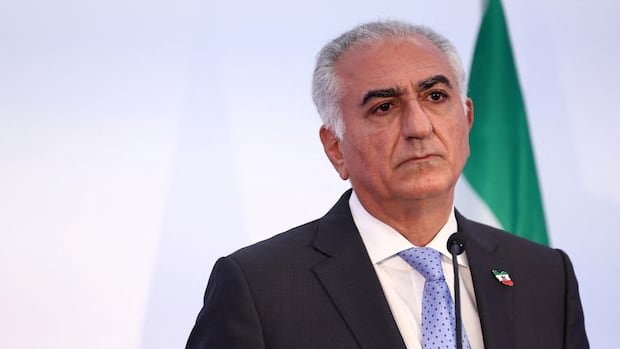
Reza Pahlavi, the son of Iran’s former shah, has emerged as a leading figure encouraging protesters in the largest anti-government demonstrations in years. Despite residing outside Iran since the late 1970s, Pahlavi has been actively using social media and Farsi-language news outlets to amplify his messages supporting the protests and denouncing repression.
In a recent interview with CBS News, Pahlavi called on U.S. President Donald Trump to assist Iranian protesters and emphasized the need for decisive action. While Trump has expressed solidarity with Iranians facing violence, he has been hesitant about meeting with Pahlavi.
Pahlavi clarified in the CBS interview that he did not initiate the protests but responded to the people’s calls for external support and advocacy for their cause. He acknowledged the risks involved in the ongoing struggle for change in Iran.
The extent of Pahlavi’s support within Iran, where he has not visited for many years, remains uncertain. Some protesters have shown backing through social media videos chanting “Long live the shah,” indicating a resonance with Pahlavi’s messages. Others demand broad political reforms, criticizing the current leadership under Ayatollah Ali Khamenei.
Pahlavi has persistently advocated for a ‘secular, democratic’ Iran, stressing the importance of a transition away from theocratic rule. While he has floated the idea of a constitutional monarchy with an elected leader, he emphasizes that the ultimate decision rests with the Iranian people.
Born in 1960 and declared crown prince in 1967, Pahlavi left Iran in 1978 for the U.S. and assumed the shah’s role in exile after his father’s death. He has actively engaged in promoting change and garnered support in the diaspora, including among Iranians in the U.S. and Israel.
Despite his efforts to rally international support for Iran’s people, Pahlavi has faced challenges in gaining significant backing from Western governments, highlighting the complexities of his role in the ongoing political dynamics in Iran.