
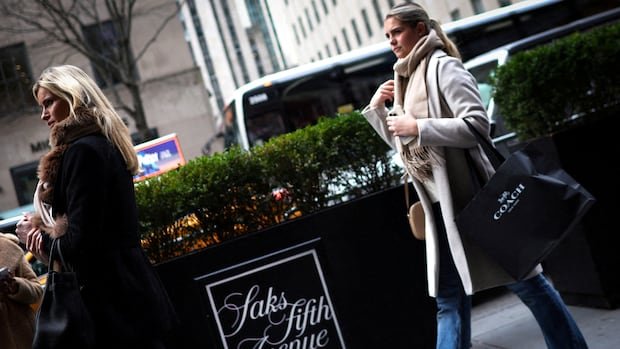
Saks Global, a high-end department store conglomerate, has filed for bankruptcy protection, marking one of the significant retail collapses during the pandemic. This move follows a recent deal that aimed to merge Saks Fifth Avenue, Bergdorf Goodman, and Neiman Marcus. Despite uncertainties surrounding the iconic U.S. luxury brand’s future, Saks has confirmed that its stores will continue operating after securing a $1.75 billion financing package and appointing a new CEO.
The impact of the COVID-19 pandemic, coupled with increasing competition from online retailers and brands selling directly through their stores, has posed challenges for Saks. The company faced difficulties in paying vendors, leading to inventory withholding. Geoffroy van Raemdonck, the former CEO of Neiman Marcus, will replace Richard Baker, who spearheaded the acquisition that burdened Saks Global with debt.
Saks Global’s assets and liabilities, estimated between $1 billion and $10 billion, were disclosed in documents filed in U.S. Bankruptcy Court. The filing aims to provide the luxury retailer with an opportunity to restructure debts or seek new ownership. Failure to do so may result in closure, although the company emphasized that the demand for luxury goods remains strong.
The Neiman Marcus deal added to Saks Global’s debt amid a slowdown in global luxury sales. Industry experts highlighted the challenges of the merger in a market where luxury brands are increasingly focusing on direct-to-consumer sales. Saks Global, with approximately 17,000 employees, had previously raised $600 million and restructured debt but faced liquidity constraints due to vendor payment issues and inventory disruptions.
The company’s financial woes led to a decline in sales, with customers shifting to competitors like Bloomingdale’s. Despite ongoing challenges, Saks Global recently sold the real estate of the Neiman Marcus Beverly Hills store and sought to sell a minority stake in Bergdorf Goodman to alleviate debt. A new financing deal worth $1 billion aims to inject immediate cash and support the company’s emergence from bankruptcy protection, with additional financing available upon successful exit.
Several luxury brands, including Chanel, Kering, and LVMH, were listed as unsecured creditors in the court filing. The luxury industry is expected to witness a shift as brands reduce reliance on department stores in favor of owned channels and strategic partnerships. The bankruptcy filing marks a significant development following Richard Baker’s strategic acquisitions that reshaped the American high fashion landscape.