
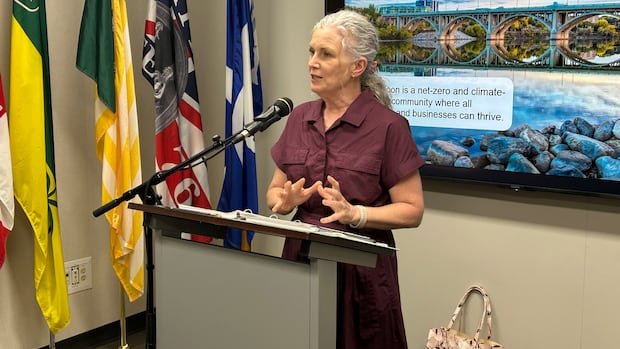
The City of Saskatoon has unveiled a new climate plan aiming to reduce emissions over the next decade and achieve net zero status by 2050. Despite this ambition, the city emphasizes the need for support from the province to achieve these goals. SaskPower has committed to achieving net-zero electricity generation by 2050 while extending the lifespan of coal-powered plants until transitioning to nuclear power.
Saskatoon’s climate action strategy, which consolidates two previous plans into a single framework, is set to be reviewed by the standing policy committee on environment, utilities, and corporate services on August 4 before reaching city council for approval. The plan builds on existing initiatives, such as the home energy loan program, with potential expansions requiring council approval.
Jeanna South, the city’s director of sustainability, highlighted the importance of transitioning to renewable energy sources, as only 19% of SaskPower’s electricity supplied to Saskatoon currently comes from renewables. The city is also working towards operating a zero-emission transit fleet by 2050, with a transition plan in place despite continuing to purchase diesel buses until 2030.
The city’s report indicates a 16% reduction in community emissions, surpassing the 15% target set. Further progress reports are expected in December, covering work up to the end of 2025. While the economic landscape and other pressing issues may have shifted public attention away from climate change discussions, experts emphasize the critical need for sustained efforts to combat climate change and its impact on the environment.