
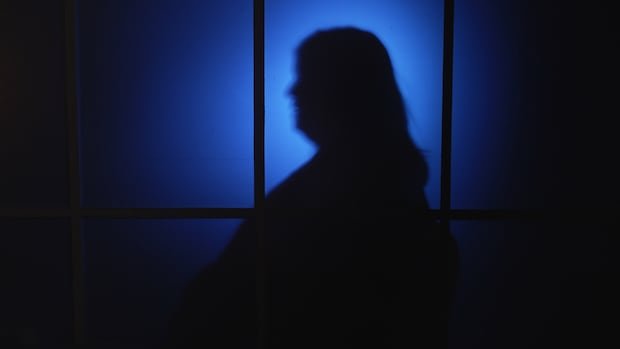
An individual in Ontario, known for sharing her journey as a sexual assault survivor during police training sessions, has decided to sever ties with the Ontario Police College. She has raised concerns regarding what she perceives, along with several experts, as detrimental biases among certain officers and a lack of accountability within the college. The decision was prompted by anonymous comments she received from two officers last year, causing her to feel “mortified” and “humiliated.”
Having volunteered her time for years by speaking at training sessions for sexual assault investigators organized by the college, the woman’s identity is being safeguarded by CBC News due to her survivor status. Experts have criticized the comments made by the officers, labeling her as “damaged,” overly critical of the police, and presuming a mental health diagnosis. These remarks are not only hurtful but also indicative of biased attitudes that could compromise the integrity of sexual assault investigations.
Despite bringing her concerns to the college over four months ago, the woman is still awaiting answers on whether the officers in question are actively involved in sexual assault investigations. She expressed feelings of dismissal, judgment, anger, and a strong desire for accountability. Ontario’s Ministry of the Solicitor General, responsible for the Ontario Police College, stated that they are directly addressing the situation with the survivor, without providing details on the officers’ roles or the handling of the complaint.
The survivor’s journey began in 2004 when she reported being sexually assaulted by a priest. Although criminal charges were laid against the accused, including sexual assault and forcible confinement, he evaded trial by leaving the country. Despite the challenges she faces in recounting her story, she agreed to speak at OPC training courses, aiming to enhance officers’ comprehension of sexual assault survivors’ experiences.
Since 2022, she has spoken at numerous training sessions across the province, emphasizing the difficulties survivors encounter in sharing their traumatic experiences with law enforcement. While she previously had a positive relationship with the college, this changed after receiving disparaging comments from two officers. The feedback, submitted anonymously by participants after the sessions, criticized her presentation as overly critical of the police.
The survivor’s concerns extend beyond personal offense, as she fears that officers harboring biases may be assigned to handle sexual assault cases, potentially impacting survivors’ well-being. Experts highlighted how such biases rooted in stereotypes can skew investigations and impede access to justice for survivors. The lack of response from the Ontario Police College has sparked criticism from academics and advocates, citing broader systemic issues within policing and the need for transparency and accountability in addressing misconduct.
The survivor, disheartened by the handling of her complaint and the officers’ comments, expressed doubts about restoring her relationship with the police college. She emphasized the importance of engaging with organizations that understand victimization and trauma, underscoring the need for a supportive and empathetic environment for survivors sharing their stories.