
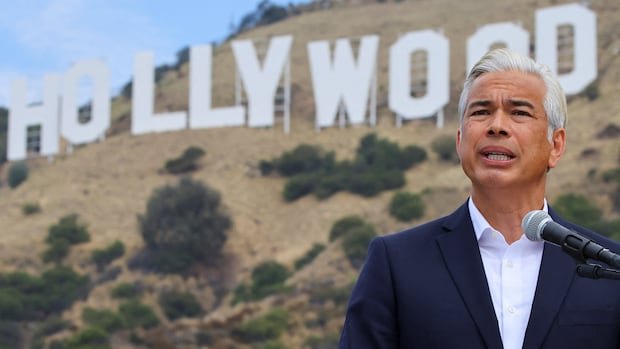
Twelve states have filed a lawsuit to prevent the merger between Paramount and Warner Bros. Discovery, citing concerns that the $81 billion deal would harm competition in Hollywood and limit consumer choices nationwide. California Attorney General Rob Bonta, leading the legal action, expressed that the unlawful merger would lead to increased prices, reduced content diversity, and lower quality entertainment for audiences.
The proposed combination of Paramount and Warner Bros. would unite two of the last five major studios in Hollywood, bringing together assets like Warner’s HBO Max, popular libraries including “Harry Potter,” and CNN under the same umbrella as Paramount-owned CBS and Paramount+ streaming service. The states argue that such a merger would negatively impact movie theaters and basic cable distributors.
In response to the lawsuit, Paramount defended the merger, claiming it complies with antitrust laws and would create a stronger competitor against dominant streaming platforms. Warner deferred comments to Paramount. Alongside California, other states joining the legal challenge include Arizona, Colorado, Connecticut, Massachusetts, Minnesota, Nevada, New Jersey, New Mexico, New York, Oregon, and Washington.
The legal action comes at a critical juncture for the Paramount-Warner merger, which recently received shareholder approval and government clearance. The companies aimed to finalize the deal in the third quarter of the year, but the lawsuit may disrupt these plans. Paramount has offered compensation to shareholders if the deal is delayed past a certain date.
Critics of the merger argue that consolidating Paramount and Warner would further concentrate power in the entertainment industry, potentially impacting jobs and diversity of content. The lawsuit highlights concerns about the companies’ combined control over film distribution and cable programming markets. Opposition to the merger has been voiced by industry professionals and groups like the Writers Guild of America.
The political implications of the merger have also sparked controversy, with questions raised about potential influence and relationships at play. While the Justice Department supported the deal, some attorneys general criticized the decision, pointing to alleged ties between Paramount’s CEO and the president’s family. The lawsuit has divided opinions along party lines, with Republicans notably absent from the legal challenge.