
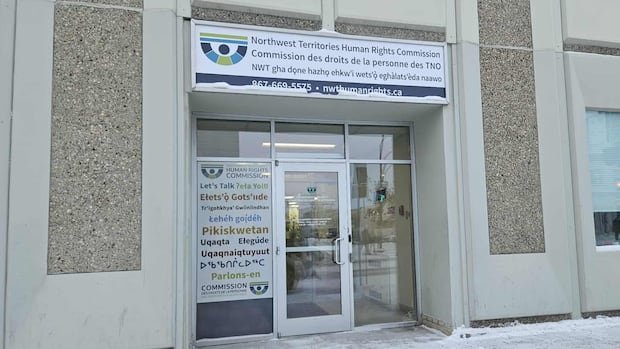
A recent study reveals that while many Indigenous individuals and newcomers in the Northwest Territories have encountered discrimination, there is limited awareness of the N.W.T. Human Rights Commission as a resource for assistance. The study, outlined in a 12-page summary, aimed to gauge the knowledge of Indigenous and newcomer communities about the commission, delve into experiences of discrimination, and explore ways the commission could better serve these groups, particularly in the North Slave region, home to over half of the territory’s population.
Through surveys, interviews, and focus groups conducted last winter and spring, involving 100 individuals and six organizations, the study found that a significant number of Indigenous and newcomer respondents reported facing discrimination or unfair treatment in the past five years, surpassing national averages for both groups.
Chair of the N.W.T. Human Rights Commission, Charles Dent, expressed surprise at the extent of reported discrimination and emphasized the need to understand the disparities from national averages. Monfwi MLA Jane Weyallon Armstrong, representing the Tłı̨chǫ region, echoed the prevalence of discrimination in the territory and highlighted the underutilization of the commission by those experiencing discrimination, citing reasons such as time constraints and potential language barriers.
Despite a majority of Indigenous respondents being aware of the commission, only a small fraction of newcomers indicated awareness. Dent emphasized the commission’s commitment to enhancing visibility and awareness, starting with efforts in the North Slave region and extending to other territories to address regional differences effectively.
Weyallon Armstrong stressed the importance of community outreach beyond the capital to better serve Indigenous populations, emphasizing the need for improved visibility and engagement. The study identified workplace discrimination as a common issue for newcomers, with organizations like the Conseil de développement économique des Territoires du Nord-Ouest (CDETNO) playing a role in facilitating access to resources and support for newcomers seeking employment opportunities.
In conclusion, while the N.W.T. Human Rights Commission plays a vital role in raising awareness and addressing discrimination, collaborative efforts with community organizations are essential in creating an inclusive environment and supporting individuals in accessing available resources.