
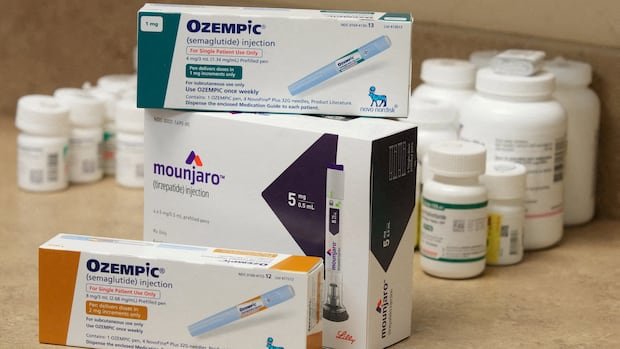
A recent review has revealed that individuals who are overweight or obese and discontinue their weight-loss medications tend to regain weight more rapidly compared to those who halt a diet or exercise regimen. The rising popularity of weight loss medications containing semaglutide, the key component in Ozempic and Wegovy, has led to approximately half of obese individuals discontinuing the medications within a year due to factors like high costs and gastrointestinal side effects.
According to a study published in BMJ, understanding weight regain is crucial due to the associated health risks like diabetes and heart disease. Researchers, including Sam West from the University of Oxford, analyzed data from over 6,000 adults who were overweight or obese and had taken GLP-1s or older weight-loss medications, concluding that those on weight-loss drugs regained an average of 0.4 kg per month after stopping treatment, equating to about 4.8 kilograms or 10 pounds in the first year.
The study highlighted the swift rate at which weight is regained post-medication cessation, with individuals regaining weight nearly four times faster than those who stopped exercising or adhering to their diets. This underscores the importance of recognizing weight loss medications as long-term solutions for obesity management, as emphasized by experts like Dr. Sonja Reichert from Western University.
While weight loss medications like GLP-1s offer significant benefits, the challenge lies in sustaining weight loss post-medication cessation. Dana Small from McGill University suggests that along with prescribing weight-loss drugs, efforts should focus on implementing weight-loss maintenance strategies and altering the food environment to combat weight regain effectively.
Support during treatment, including nutritional guidance, has been identified as a key factor in successful weight loss. However, the reasons behind the accelerated weight regain following medication discontinuation remain unclear, signaling a need for further research in this area. Moving forward, there is optimism about the future of obesity management, with potential advancements such as more accessible medications, cost-effective options, and comprehensive support programs aimed at promoting healthy lifestyle changes and reducing stigma associated with obesity.