
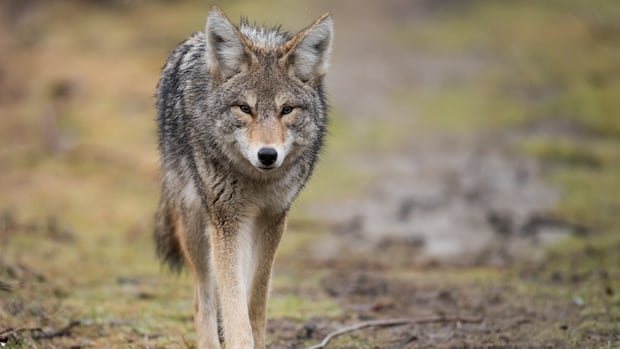
A recent study warns of potential health risks to both humans and animals when homeless individuals are compelled to seek shelter in the same urban areas as coyotes. The research, conducted by the Edmonton Urban Coyote Project and published in Frontiers in Ecology and the Environment, focused on the close coexistence of homeless encampments and urban coyotes in Edmonton’s river valley.
The study revealed that homeless individuals and coyotes often reside in close proximity, leading to competition for space and resources. This situation poses a heightened risk of conflict between humans and coyotes, as well as the transmission of infectious diseases from animals to people.
Lead author Sage Raymond described the scenario as a detrimental cycle, with coyotes accessing food from encampments, potentially harming their health, while people face exposure to disease agents. The study indicated a rising trend in both homeless populations and human-coyote conflicts, emphasizing the need for targeted conservation efforts, awareness campaigns, and improved medical services for vulnerable communities.
The study emphasized the increased risks faced by individuals living near coyote dens, including dangerous encounters and the potential contraction of infectious diseases prevalent in the coyote population. Furthermore, the proximity of coyotes to encampments could lead to aggressive behavior and nuisance problems in nearby neighborhoods.
The study highlighted the importance of not resorting to crackdowns on homeless individuals or coyote culls but rather advocated for specific conservation strategies and enhanced medical care access for vulnerable populations. The Edmonton Urban Coyote Project, which has been monitoring the city’s coyote population for over 15 years, estimated a significant presence of coyotes in Edmonton, with urban packs utilizing the river valley as a primary habitat.
Colleen Cassady St. Clair, a wildlife biologist involved in the study, emphasized the ecological risks posed by homeless encampments attracting coyotes, facilitating their access to human food and diminishing their wariness towards people. The study also raised concerns about the transmission of diseases, particularly alveolar echinococcosis, from coyotes to humans, underscoring the severe health risks faced by individuals living outdoors.
Biologist Darcy Visscher highlighted the high fatality rate of alveolar echinococcosis in humans and the urgent need for increased awareness and preventive measures. The study called for improved health-care programs, hygiene supplies for encampments, and education on safe practices to deter coyotes. Ultimately, the study advocates for secure housing solutions as a fundamental approach to addressing the vulnerabilities faced by homeless populations.
In response to the study’s findings, health officials and advocacy groups in Alberta have expressed concerns about the risks posed by encampments to vulnerable populations and emphasized the importance of addressing the root causes of homelessness. Dr. Louis Francescutti, an emergency room physician, highlighted the broader homelessness crisis in Alberta and stressed the need for systemic solutions to prevent the myriad harms faced by individuals living on the streets.