
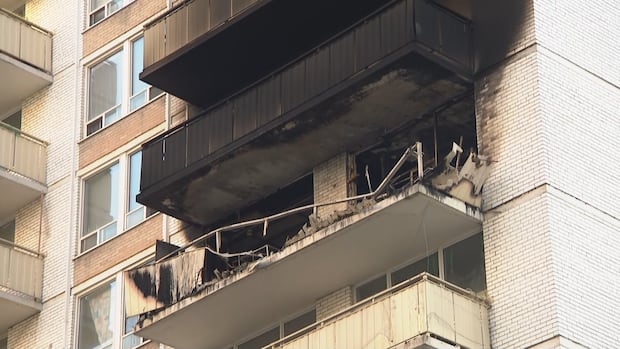
With just four months remaining until the conclusion of 2026, Toronto has already broken its annual record for lithium-ion battery fires.
As reported by Toronto Fire Services, there were 91 incidents throughout 2025, which was previously the highest number recorded.
This year, however, the count has reached 97 incidents, marking an increase of over 200 percent from four years ago, when such incidents began being monitored.
Toronto Fire indicates that there have been 14 injuries linked to incidents in 2026.
“This surge is not unexpected, considering the significant rise in the use of lithium-ion batteries,” noted Paul Boissonneault, secretary of the Canadian Association of Fire Chiefs and Fire Chief of Oakville.
The topic gained significant media attention last month when four fires associated with these batteries occurred within a 24-hour period. Additionally, two more fires related to e-bike batteries were reported over the past weekend.
Since the 2000s, rechargeable lithium-ion batteries have powered devices like laptops, power tools, and cell phones, but their mass production surged in the late 2010s for micromobility devices such as e-bikes and e-scooters.
According to Toronto Fire, the growing number of fires is primarily due to e-bike and scooter batteries, especially when they are overcharged, altered, or damaged.
Fire chiefs seek regulatory measures
Fires originating from these batteries present various challenges for emergency responders, as explained by Toronto Fire Chief Jim Jessop in a CBC Toronto interview in August.
These fires spread more rapidly than ordinary ones; the batteries can explode and turn into projectiles, and the toxic substances they contain leave carcinogens on equipment, necessitating a specialized decontamination process, he added.
Jessop expressed that he does not support a complete ban on these batteries, but emphasized the need for improved regulations regarding battery storage and safety from both provincial and federal authorities.
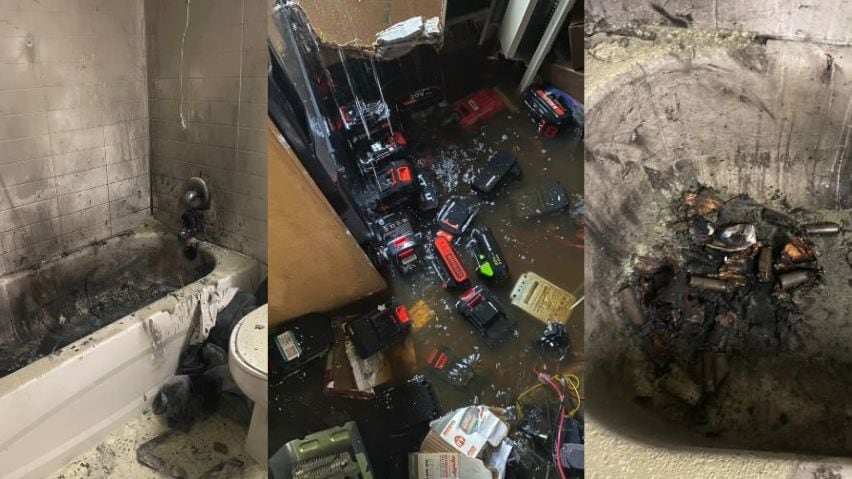
Toronto Fire Services has shared several images showing the aftermath of battery fires in videos on social media. Jessop states that some battery fires can turn deadly in seconds. (@torontofireservices/Instagram)
This aligns with the advocacy efforts of Boissonneault and the Canadian Association of Fire Chiefs (CAFS).
CAFS has collaborated with Health Canada to propose regulations for these batteries and is pushing for stricter controls on imports.
“The influx of products from overseas that lack safety ratings is indeed a significant concern,” remarked Boissonneault.
Moreover, CAFS is preparing for anticipated updates to the national building and fire codes set for 2030, which Boissonneault believes will create a “standardized and harmonized” approach to enhancing battery safety.
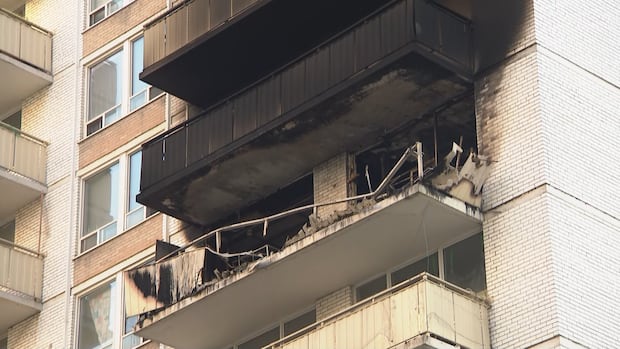
Toronto Fire is sounding the alarm after their second day in a row battling a blaze in an apartment where lithium-ion batteries were being stored. CBC’s Greg Ross has more on why they say the fire chief says even if they’re not the cause, batteries can make fires worse if ignited.
In addition, last month the Ontario fire marshal informed CBC Toronto of potential modifications to the province’s fire code to address the increasing risks associated with lithium-ion battery fires.
To avert a lithium-ion fire, Toronto Fire advises individuals to utilize only devices that have undergone safety testing and certification, adhere to the manufacturer’s charging and storage instructions, and keep batteries away from flammable materials.