
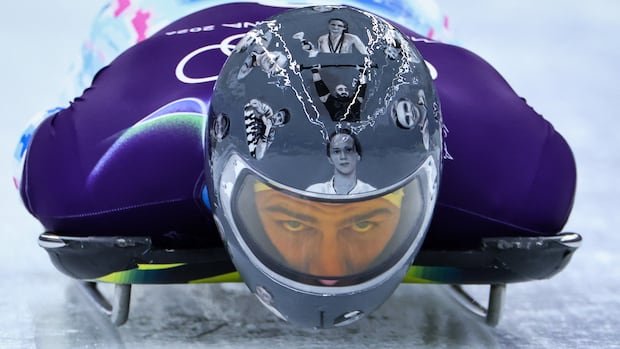
Ukrainian skeleton athlete Vladyslav Heraskevych arrived at the Milan Cortina Olympics sporting a new helmet adorned with images of Ukrainian athletes who tragically lost their lives in Russian attacks. Despite his intent to pay tribute to his fallen comrades, the International Olympic Committee (IOC) rejected his request to use the helmet during competition.
Heraskevych, a contender for a men’s skeleton medal, sought permission from the IOC to wear the helmet during his upcoming races. However, the IOC denied his request, citing Rule 50 of the Olympic Charter, which prohibits any form of demonstration or political statements at Olympic events.
Ukrainian President Volodymyr Zelenskyy praised Heraskevych for highlighting the sacrifices made by Ukrainian athletes in the current conflict. The helmet featured images of athletes like figure skater Dmytro Sharpar and boxer Pavlo Ishchenko, who lost their lives in various circumstances related to the war.
Heraskevych, who previously displayed a “No War in Ukraine” sign at the 2022 Beijing Olympics, hoped to honor his fallen compatriots once again. Despite the IOC’s decision, he emphasized the importance of remembering the high cost of Ukraine’s struggle for freedom.
The IOC clarified that Ukraine’s sliding federation had not sought approval for the helmet, leading to the rejection of Heraskevych’s request. The athlete’s actions in Beijing were deemed a call for peace and not a violation of Rule 50, but the IOC maintained its stance on political demonstrations at the Olympics.