
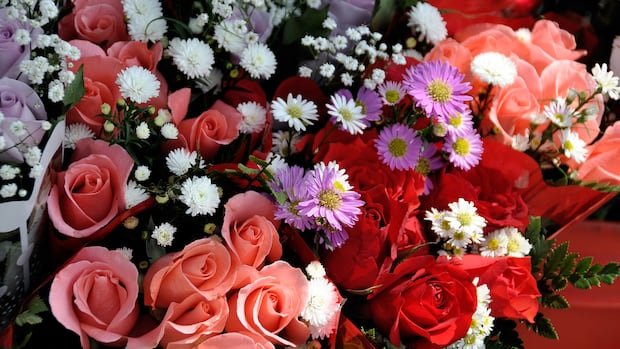
Flowers Hold a Deeper Significance Beyond Their Beauty
As Mother’s Day approaches, the tradition of gifting flowers as a token of appreciation for moms is a common practice. Flowers are not merely admired for their visual appeal and delightful fragrance; they have a profound history and significance in the evolution of life on Earth.
A recent study by Statistics Canada revealed that in 2025, over 425 million flowers were harvested in greenhouses nationwide. Biologist David George Haskell emphasizes that while we often appreciate flowers for their aesthetics, their evolutionary journey is a remarkable tale that is often overlooked.
The emergence of flowering plants approximately 130 million years ago marked a pivotal moment in the planet’s biodiversity. These plants, comprising about 90% of all plant species today, revolutionized reproduction by consolidating male and female reproductive structures within a single flower.
By integrating these reproductive functions, flowers established an efficient method of pollination, allowing insects to transfer pollen effectively. This partnership between plants and pollinators led to the development of visually captivating petals and fragrant scents as a means to attract insects.
Susan Dudley, a biology professor specializing in plant evolution, highlights that the diverse shapes, colors, and scents of flowers are a result of millions of years of co-evolution with animals. Different pollinators are drawn to specific flower characteristics; for instance, bees are particularly attracted to blue, yellow, or pink flowers with a distinctive landing pad.
Flowers not only serve as a visual delight but also play a crucial role in the ecosystem by facilitating the reproduction and dispersal of seeds. Fruits, which are mature flowers, protect seeds and aid in their dispersion through various mechanisms such as animal consumption or hitchhiking on fur or feathers.
However, human interventions, such as breeding flowers for aesthetic purposes rather than ecological functionality, can disrupt the delicate balance of these natural relationships. Dudley advocates for a shift in perspective towards appreciating flowers for their ecological value and supporting local plant species that sustain the ecosystem.
By cultivating a deeper understanding of the intricate interplay between flowers and the environment, individuals can contribute to preserving the vital role that flowers play in sustaining life on Earth. Next time you receive flowers, take a moment to consider the profound impact these beautiful blooms have had on reshaping the world as we know it.