
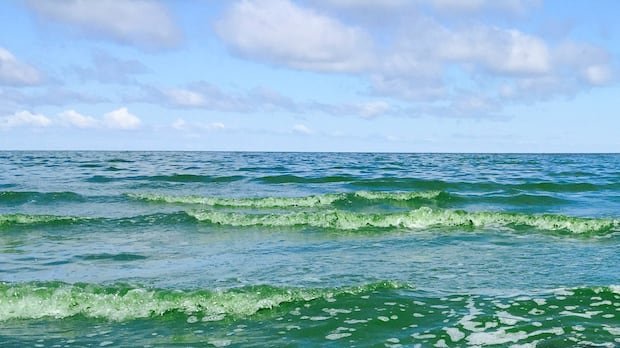
Microscopic threats in Lake Winnipeg are gaining attention alongside well-known environmental issues like zebra mussels, microplastics, E. coli, and toxic algal blooms. These lesser-known threats, particularly viruses infecting microalgae, are being scrutinized to better understand the health of one of the largest freshwater basins in a changing climate.
Professor Emily Chase, a microbiologist and virologist at the University of Winnipeg, is leading research on how viruses impact Lake Winnipeg’s microalgae. These tiny photosynthetic organisms, often forming unsightly blue-green films, play a vital role in the lake’s ecosystem. By studying virus-algae interactions, researchers hope to predict and mitigate the effects of climate change on the lake.
Climate change, agricultural runoff, and wastewater pollution have long fueled toxic algal blooms in Lake Winnipeg. Understanding the role of viruses in algal bloom dynamics could provide insights into preventing bloom collapses and safeguarding water quality for various activities like swimming and fishing.
Drawing from her expertise in algae-virus interactions, Chase is investigating how Lake Erie’s environmental changes could be a harbinger for Lake Winnipeg. As summers lengthen and temperatures rise, the potential for more frequent and severe algal blooms threatens the lake’s biodiversity and economic activities like recreational fishing and tourism.
The collaboration between researchers like Chase and Scott Higgins from the International Institute of Sustainable Development aims to fill knowledge gaps on virus-algae interactions and their implications for Lake Winnipeg’s future. By unraveling the complexities of these microorganisms in the context of climate change, scientists hope to inform sustainable management practices for the lake.