
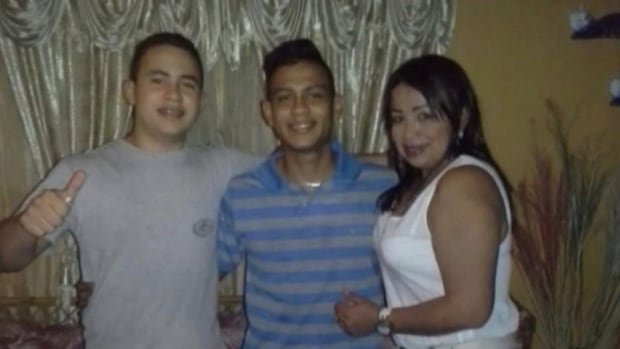
The failure of the U.S. government under Donald Trump to prioritize the release of political prisoners in Venezuela during its transition plans poses a significant risk to the lives of hundreds of individuals, according to Marisela Parra, the mother of two imprisoned brothers who have suffered torture. While she expressed relief that Venezuelan President Nicolás Maduro was apprehended by the U.S. in a military operation, Parra remains concerned as the existing governing system in Venezuela, left unchanged by the U.S., continues to threaten those unjustly detained for political reasons.
Parra emphasized that the transition process appears to prioritize economic interests, particularly oil and business, over addressing the plight of political prisoners who have been subjected to severe human rights violations. According to the Venezuelan human rights organization Foro Penal, over 800 individuals are currently held as political prisoners in Venezuela. Despite the release of 54 political prisoners on January 1, 2026, as reported by the organization, the situation remains dire for many others detained for their political beliefs.
U.S. Secretary of State Marco Rubio unveiled a three-step plan for Venezuela, outlining the delayed release of political prisoners until a later phase following the stabilization of the country and the sale of a significant volume of Venezuela’s oil reserves. The current Venezuelan administration, led by Delcy Rodríguez, Maduro’s former vice-president, continues to wield power alongside key government figures such as Jorge Rodríguez, Vladimir Padrino López, and Diosdado Cabello, maintaining control over legislative, judicial, and military institutions.
Marisela Parra shared the harrowing ordeal faced by her sons, highlighting the story of her youngest son, Leandro, who was involved in a failed coup against Maduro and subsequently sentenced to 21 years in prison. She also recounted the suffering of her eldest son, Leonardo, who was tortured and detained by authorities seeking information on Leandro. Parra’s account sheds light on the brutal treatment endured by political prisoners in Venezuela, including acts of torture and inhumane conditions within prison facilities.
The widespread arrests and detention of political activists following the 2024 election, marked by allegations of electoral fraud, have further exacerbated the human rights crisis in Venezuela. Calls for the immediate release of political prisoners and the implementation of a general amnesty continue to resonate among human rights advocates, including Jesus Hermoso, who fled the country with his family due to threats of arrest. The ongoing repression and use of torture within Venezuelan prisons underscore the urgent need for international intervention to address the escalating human rights abuses in the country.