
Homeowners could potentially face another adjustment in how their water bills are calculated. This follows the approval of a program in 2024 by the council, which initially aimed to lower bills for most homeowners but ended up increasing them. In response, the council implemented a corrective measure last year and has now set rates to ensure that the majority of homeowners will pay less on this year’s water bills compared to the amounts in 2024 for similar water usage.
However, as per budget documents, this adjustment has resulted in delaying sewer improvement projects planned for 2026 by a year. The documents also caution that rate hikes might be necessary to adhere to Windsor’s sewer master plan.
Mayor Drew Dilkens has issued a directive calling for staff to propose changes to the program, emphasizing the need for transparent information accessible to all customers to control costs, equitable storm water fee distribution, ongoing residential savings, and adequate funding for storm water expenses and infrastructure investments outlined in the city’s sewer master plan.
During this year’s budget meeting, Dilkens stressed the importance of simplifying the program, maintaining transparency, ensuring residential savings, and easing the process for businesses. He expressed concerns over the challenges faced during the program’s implementation.
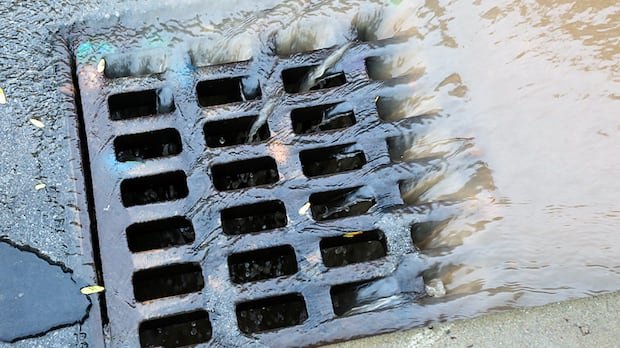
The alteration in water bills stems from property owners now being billed separately for wastewater and storm water management due to the 2024 council-approved changes. Described as a “fair share” model by the city, this shift transfers costs from homeowners to commercial or industrial property owners. Storm water fees are now determined based on the amount of impermeable surface areas on a property, like asphalt, which leads to water runoff into the sewer system.
The revised program, designed to lower most homeowners’ water bills compared to 2024, has resulted in a deficit in the storm water and wastewater budget. Factors such as increased staffing expenses and inflation have contributed to rising costs. The city plans to utilize $5.5 million from a reserve fund of $19.5 million to bridge the budget gap and ensure essential work is completed, although some sewer enhancement projects scheduled for 2026 will be postponed to 2027.
Budget documents highlight that relying on reserves to transition to the new program is unsustainable for the long term to support the city’s sewer master plan. The plan, initiated after severe storms inundated basements in 2016 and 2017, necessitates annual increases to cover capital and operational expenditures for wastewater and storm water facilities, especially with the anticipation of more frequent severe storms due to climate change.
City Treasurer Janice Guthrie suggested exploring options like securing grant funding from higher levels of government or reassessing the master plan to address future funding challenges. She reassured the council that current reserves can manage the approved rates and budgets effectively.
Mayor Dilkens aims to revamp the program to ensure business cost efficiency while maintaining residential savings. Critics, like property owner Joe Mikhail, advocate for reverting to the previous billing system due to the financial burden imposed by the new storm water fee. Mikhail cited examples of increased costs on his properties, leading to vacancies and financial strain.
The city offers a credit system to property owners who mitigate storm water runoff through approved methods, but challenges persist regarding its effectiveness. Non-residential property owners can receive credits if they meet specific criteria, such as directing runoff to water bodies like the Detroit River, Lake St. Clair, or having a dedicated storm water management system.
Mikhail highlighted the high costs and complexities involved in applying for credits, emphasizing the need for a more practical approach. Mayor Dilkens acknowledged concerns from property owners regarding the cumbersome credit application process and commended staff for addressing these issues collaboratively.
A forthcoming report from city staff will propose further changes to the program for council consideration, aiming to address the challenges and improve the system for all stakeholders.