
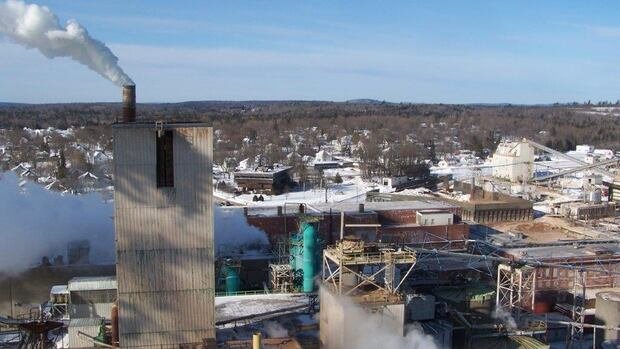
Woodland Pulp in Maine resumed operations in mid-December following a 60-day shutdown and has now reopened its doors to wood suppliers from New Brunswick. Company representative Scott Beal confirmed the revival of fiber purchasing for the mill, including hardwood and chips sourced from Canadian suppliers. While this development is viewed positively, it falls short of fully addressing the challenges faced by struggling private woodlot owners in the region, according to Kim Jensen, the general manager of the Carleton Victoria Forest Products Marketing Board.
Jensen highlighted that despite the encouraging news, sales for woodlot owners have declined significantly compared to the previous year, leading some to exit the industry while others persevere. The imposition of a 10% tariff on lumber imports by U.S. President Donald Trump in September, raising the duty rates on New Brunswick wood to 35%, had a substantial impact on Woodland Pulp’s operations. The mill, which previously relied on a third of its supply from New Brunswick, struggled with increased costs due to the tariff.
Woodland Pulp has rehired all 144 employees laid off during the shutdown, but Beal cautioned that it may take time to reach previous wood intake levels. The uncertain tariff landscape poses challenges for the future of purchasing Canadian wood, with Beal emphasizing the ongoing difficulties in the pulp market. Despite the federal government’s $1.25 billion industry support fund, individual woodlot owners have not received direct assistance, as stated by Jensen.
The decline in timber sales, coupled with rising cross-border business costs, has further strained wood producers. Woodland Pulp’s shift to individual producers arranging transportation and brokerage services has resulted in additional costs per load of timber heading to the U.S. Jensen expressed concerns over tightening markets, decreasing prices, and the long-term viability of private woodlot owners in the face of economic pressures.
Overall, while the reopening of Woodland Pulp signifies a positive step forward, the challenges persist for woodlot owners in New Brunswick amidst an uncertain economic climate and evolving market conditions.