
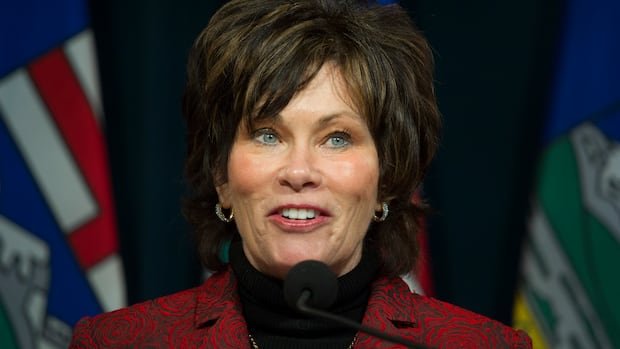
A former Alberta energy minister expressed doubts about the feasibility of a proposed bitumen pipeline to the northwest B.C. coast solely relying on the private sector for construction. Sonya Savage conveyed that the chances of a private sector proponent materializing for the project are nearly nonexistent at this stage, as indicated during her appearance on CBC’s West of Centre podcast.
Meanwhile, Premier Danielle Smith urged Ottawa to expedite the approval process for the pipeline, citing recent developments such as the U.S. involvement in Venezuela and potential oil expansion in that region. Smith emphasized the importance of avoiding delays to prevent market share loss and maintain Canada’s competitive edge in the global energy market.
In a letter to Prime Minister Mark Carney, Smith outlined Alberta’s plan to submit a pipeline application to the Major Projects Office by June and requested approval by fall. She also called for regulatory approvals for all nation-building projects to be completed within six months, criticizing the current two-year timeline set by Carney’s major projects office as excessively long.
The memorandum of understanding signed by Carney and Smith last November established collaboration on the bitumen pipeline project, with Alberta taking the lead as the proponent. The agreement stipulates that the project would be privately funded and constructed.
Industry experts have suggested that pipeline companies may seek financial support from Alberta or Ottawa to cover unforeseen cost overruns beyond their control. Savage, drawing from her experience in the energy sector, highlighted historical instances where federal government intervention was crucial for major pipeline projects to proceed.
While Alberta and Ottawa view the northwest coast oil pipeline as vital nation-building infrastructure, not all Canadian leaders share this sentiment. B.C. Premier David Eby proposed investing in a new oil refinery instead of a pipeline, emphasizing the importance of refining oil domestically rather than relying on foreign refineries.
Savage dismissed Eby’s refinery proposal, citing logistical challenges and the need for infrastructure to transport refined oil to markets. She suggested that Eby lacks understanding of energy dynamics and should step back from the discussion.
Carney’s office did not immediately respond to Smith’s calls for quicker project approvals. However, the Prime Minister’s Office reiterated Carney’s belief in the competitiveness of Canadian oil due to its low-risk and low-cost nature, despite recent fluctuations in oil prices.
Following the upheaval in Venezuela, Canadian energy stocks experienced a decline, contributing to the downward trend in oil prices observed since the beginning of last year.