
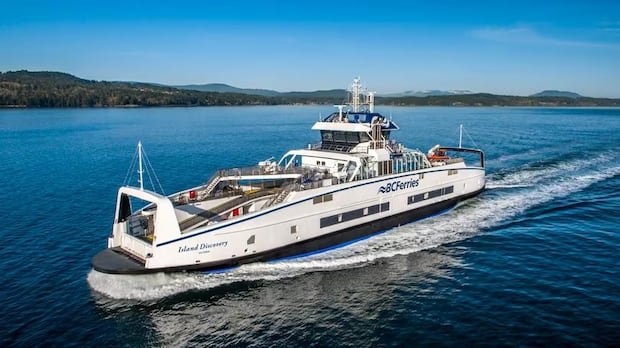
Electric ferries across the globe are increasing in size, strength, and capability to cover longer distances. In Canada, several ferry services are transitioning to electric power, especially on longer routes. New electric ferry services are being introduced in cities like Vancouver, Halifax, and Toronto. However, some Canadian ferries that can operate solely on battery power are still using fuel due to the challenges of setting up charging infrastructure.
The move towards electrification of ferries aligns with the International Maritime Organization’s goal of reducing greenhouse gas emissions from ships by 40% by 2030. Ferries, with their short, predictable routes, are ideal candidates for battery electrification. Reports suggest that by 2035, batteries could be more cost-effective than fossil fuels for most ferries in Europe, leading to significant reductions in air pollution in major ports.
The decision to switch to battery-electric ferries in Toronto was prompted by a climate emergency declaration in 2019. The new electric ferries are expected to improve the overall experience for passengers and residents by being quieter and more environmentally friendly. With a growing global trend towards electrification, approximately 40% of ferries ordered in May 2025 were electric or hybrid-electric.
Canada’s ferry electrification journey began nearly two decades ago with short cable ferries. Recent advancements have expanded electrification to larger ferries on longer routes, presenting challenges in terms of cost and infrastructure. Hybrid ferries, such as those operating in British Columbia, provide an interim solution by running on diesel until charging infrastructure is fully developed.
The push towards electrification in the ferry industry is driven by benefits such as lower maintenance, reduced emissions, and cost savings. Despite challenges, ferry operators are exploring green alternatives for fleet renewal, with potential for tighter emissions regulations to accelerate electrification efforts in the future.